What Are the 2026 Best Orthopedic Device Fitting Suppliers?

Choosing the 2026 best Orthopedic Device Fitting suppliers requires more than comparing product catalogs. A fitting system may look advanced, yet fail when a patient walks across uneven flooring. Comfort, alignment, adjustability, clinical support, and long-term reliability must work together.

Dr. Rory Cooper, a respected rehabilitation engineer and prosthetics advocate, has said, “The person is the expert on their own life.” This principle should guide every supplier evaluation. Patients notice pressure at the socket edge, slipping straps, heavy components, and confusing adjustment instructions. Clinicians notice different details, including gait symmetry, skin response, documentation, and fitting time. The strongest suppliers listen to both groups.

This guide examines suppliers through practical evidence. We consider product precision, customization options, training quality, service responsiveness, material durability, and transparent safety documentation. Independent clinical feedback matters. So does consistent availability in 2026.

Not every leading supplier will suit every clinic. That is the difficult part. A premium device can still be unsuitable for a patient with limited strength, sensitive skin, or changing mobility needs. Some rankings may also reflect incomplete public data. That limitation deserves honesty.

The best Orthopedic Device Fitting partner is not always the largest company. It is the supplier that combines dependable engineering with careful human support. Fit must be measured. Comfort must be observed. Outcomes must be followed. This comparison aims to help clinicians, procurement teams, and patients make informed decisions without relying on marketing claims alone.
What Are the 2026 Best Orthopedic Device Fitting Suppliers?

What Orthopedic Device Fitting Suppliers Provide

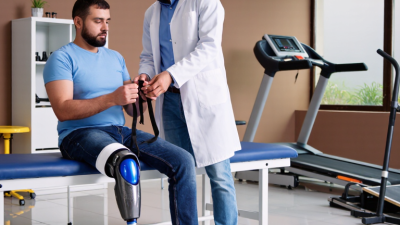
Orthopedic device fitting suppliers in 2026 provide more than braces, supports, and mobility components. They assess the user’s movement, body measurements, daily activities, and clinical needs before recommending a device. A careful fitting may include checking skin pressure, joint alignment, walking balance, and range of motion. Small details matter, especially around the ankle, knee, spine, or wrist.

Reliable suppliers often provide custom adjustments, replacement parts, cleaning guidance, and written use instructions. They may also coordinate with orthopedic clinicians, physical therapists, and rehabilitation teams. Digital measurement tools can improve consistency, but trained professionals still need to review the results.

Technology helps.
Judgment matters more.

Follow-up service is a major part of responsible fitting. Suppliers should monitor comfort, device performance, and changes in the user’s condition. They should explain when a strap, hinge, liner, or shell needs inspection. Clear records support safer adjustments and better continuity of care.

No fitting is perfect on day one. Swelling may change, or a pressure point may appear after several hours. A dependable supplier responds without rushing the user. Some service processes still feel inconsistent, and that deserves honest review.

Quality depends on qualified staff, documented procedures, transparent pricing, and respect for personal information.

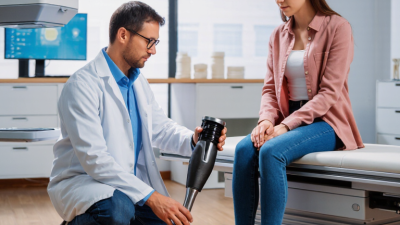
How Orthopedic Devices Are Assessed and Customized

What Are the 2026 Best Orthopedic Device Fitting Suppliers?

How Orthopedic Devices Are Assessed and Customized

A reliable orthopedic fitting process begins with the patient, not the product. Clinicians review pain, movement, muscle strength, skin condition, and daily routines. They may observe walking across a clinic floor or climbing a short set of steps. Small details matter. A worn shoe can change posture and distort the assessment.

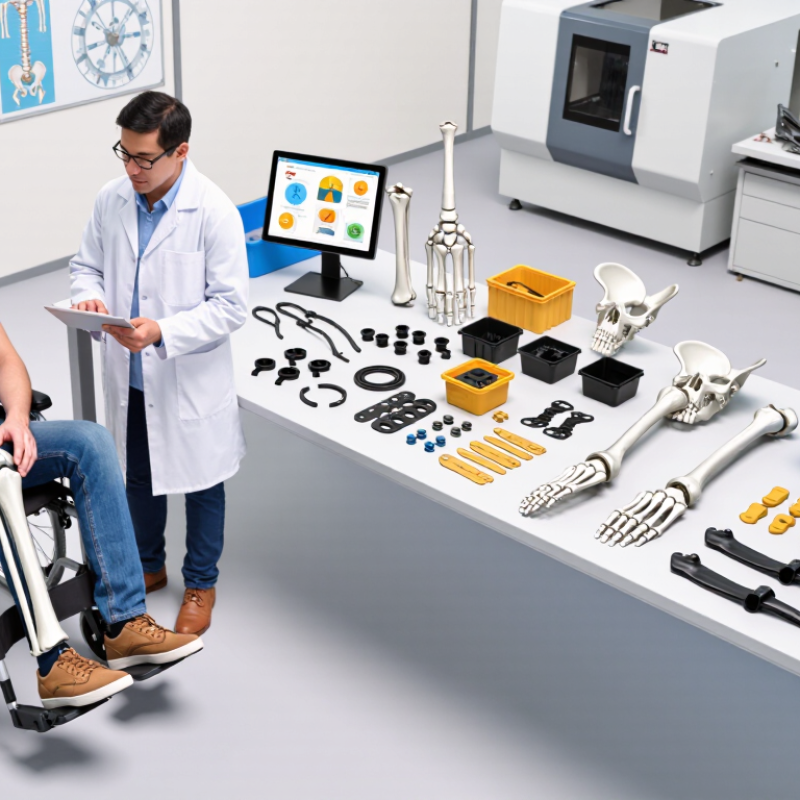
Suppliers should support accurate measurements and clear clinical documentation. Common tools include digital scans, pressure mapping, joint-angle checks, and physical casting. The chosen device must match the patient’s anatomy, activity level, and treatment goals. Materials also require careful consideration. A lightweight design may improve comfort, while stronger components may offer better stability. Neither option suits every person.

Customization rarely ends at delivery. A clinician checks pressure points, alignment, range of motion, and walking confidence during follow-up visits. The patient’s feedback remains essential, especially after several hours of use. Redness, slipping, unusual fatigue, or new pain can reveal a poor fit. Adjustments may involve padding, trim lines, straps, hinges, or complete redesign.

No fitting process is perfect. Measurements can change with swelling, growth, surgery recovery, or altered activity. Digital tools also have limits when users stand unnaturally during scanning. This is where experienced suppliers add value through communication, traceable records, and responsive adjustments. The best supplier is not simply the fastest. It is the one that questions assumptions, explains limitations, and keeps patient safety central throughout customization.

Key Standards for Evaluating Suppliers in 2026

What Are the 2026 Best Orthopedic Device Fitting Suppliers?

Key Standards for Evaluating Suppliers in 2026

The best orthopedic device fitting suppliers should prove quality beyond attractive catalogs. ISO 13485 certification shows a structured medical-device quality system. ISO 14971 also matters because fitting errors can create pressure, instability, or restricted movement. WHO reports that around one in ten patients experiences harm during healthcare, with more than half considered preventable. That makes supplier controls highly relevant.

Look for documented clinical experience. A reliable supplier should measure limb shape, joint alignment, gait, and pressure points. During a fitting, staff should record skin changes after walking, sitting, and climbing stairs. They should also explain adjustment limits in plain language. Evidence matters. Ask for complaint trends, corrective-action records, device traceability, and staff training logs. ISO 10993 evaluation is important when materials contact skin for extended periods.

Market forecasts often estimate steady orthopedic-device growth, with several 2024 industry reports projecting annual growth near 6% through the decade. Growth does not prove better fitting. A spreadsheet can mislead. I would compare delivery consistency, calibration records, replacement support, and post-fitting follow-up. Suppliers using digital scanning should protect patient data and validate measurement accuracy. Certificates alone are not enough. Real-world fitting records reveal more. Some evaluation criteria remain subjective, and buyers should review them openly rather than pretend every score is precise.

Leading Supplier Types and Their Service Strengths

What Are the 2026 Best Orthopedic Device Fitting Suppliers?

The strongest 2026 suppliers will not all look alike. Specialist manufacturers usually offer deeper product expertise, fitting protocols, and clinician training. Certified regional distributors often provide faster delivery and local technical support. Custom orthotics laboratories add detailed measurement, digital scanning, and patient-specific adjustments. Hospital procurement integrators can simplify contracts, inventory, and compliance records.

Demand remains substantial. The World Health Organization reports that about 1.71 billion people live with musculoskeletal conditions worldwide. Fortune Business Insights estimates the orthopedic devices market could reach roughly USD 82 billion by 2032. These figures suggest scale, but market size does not prove service quality.

Buyers should examine fitting accuracy, documented staff training, replacement procedures, and post-fitting follow-up. A low quote may hide weak support.

Tips: Request a sample fitting workflow before signing. Check how suppliers record measurements, adjustments, and patient feedback. Ask for realistic turnaround times, not optimistic promises. Look for traceable materials and clear quality systems. ISO 13485 certification can support confidence, but it cannot replace practical verification. No supplier is perfect. Some distributors respond quickly but lack complex clinical knowledge. Some specialist firms provide excellent engineering but slower local service. A trial order, reference checks, and a written escalation process can expose those gaps before they affect patient care.

How to Select the Best Supplier for Different Patient Needs

Choosing the best orthopedic device fitting supplier in 2026 requires more than comparing prices. Patient needs can differ sharply, even with the same diagnosis. A trained fitting team should review mobility, pain levels, skin condition, daily routines, and home surroundings. Ask whether the supplier uses documented measurements and clinical assessment forms.

Measurements matter.

Post-surgical patients may need adjustable support as swelling decreases. Children need flexible devices that allow safe growth and frequent reassessment. Older adults may value lightweight designs, simple fasteners, and clear instructions. Patients with sensitive skin may require breathable liners and careful pressure checks. For active users, durability and movement control deserve close testing. A short trial in a clinic may reveal problems hidden in a product brochure.

Supplier reliability also depends on follow-up care. Check fitting credentials, quality procedures, repair response times, and relevant regulatory documentation. Ask how the team handles returns, replacements, and size changes. Home visits can help patients who struggle with transport. Remote support is useful, but it cannot always replace an in-person pressure check. Real patient feedback can expose delays or poor communication. Still, reviews may be incomplete or overly positive. I would compare several sources before trusting them. Perfection is rare. A dependable supplier listens, records changes, and adjusts the device when real use reveals discomfort.