Walking can become difficult after injury, neurological illness, joint weakness, or muscle imbalance. Each step may feel uncertain, especially on stairs, uneven ground, or crowded pavements. Lower Extremity Orthoses can provide targeted support for the foot, ankle, knee, or hip. They may improve alignment, stability, and energy efficiency during movement. The goal is not simply to add a brace. It is to help a person move more safely and confidently.
A properly selected orthosis begins with a detailed clinical assessment. A qualified orthotist may observe walking patterns, muscle strength, joint motion, footwear, and daily activities. These details matter. A device designed for short indoor walks may not suit hiking or demanding work. Modern materials can reduce weight and improve comfort, while custom designs may address complex movement problems. Evidence and professional experience both support careful fitting, gradual use, and regular review.
Still, orthoses are not a perfect solution. Some users experience pressure, skin irritation, stiffness, or frustration during the adjustment period. An uncomfortable device may remain unused, regardless of its technical quality. This reality deserves attention. Better mobility depends on shared decisions between the user and healthcare team. It also requires honest feedback, practical training, and occasional redesign. This guide explores why Lower Extremity Orthoses may support mobility, how clinicians evaluate their benefits, and where their limitations should be considered. Each person needs a different answer.
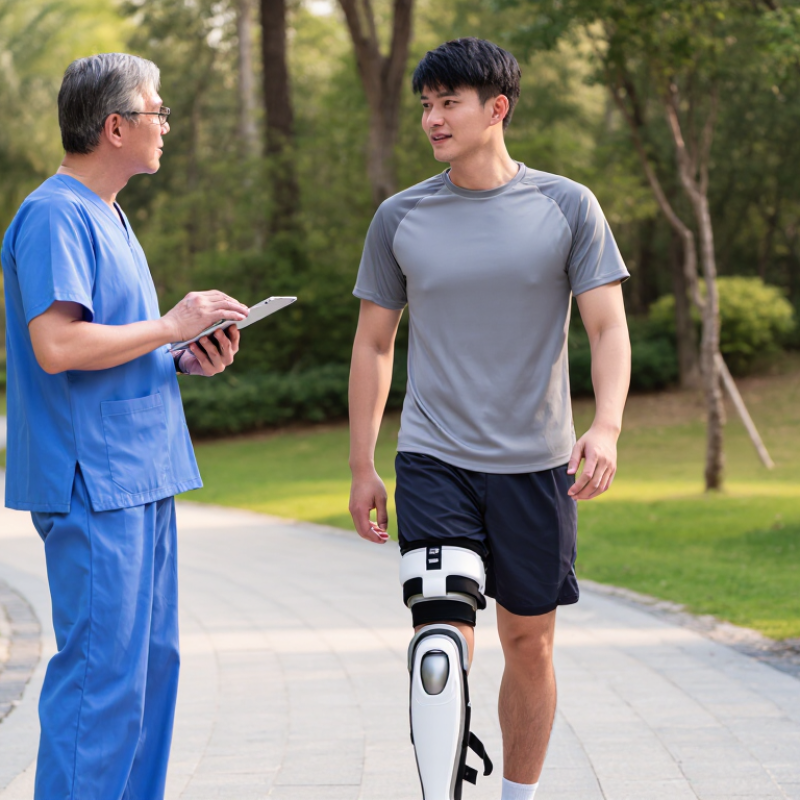
Lower extremity orthoses are external devices that support the leg, ankle, or foot. Common designs include ankle-foot and knee-ankle-foot orthoses. They work by guiding joint motion, improving alignment, and redistributing pressure during standing and walking.
An ankle-foot orthosis may prevent foot drop by holding the ankle closer to a functional position. Small changes matter. A steadier heel contact can improve confidence on uneven floors.
Small changes matter.
A steadier heel contact can improve confidence on uneven floors.
The need is substantial. The World Health Organization’s Global Report on Assistive Technology (2022) estimates that more than 2.5 billion people need assistive products worldwide. This figure may exceed 3.5 billion by 2050.
In the United States, the CDC reports that about one in four adults has a disability, with mobility among the most common categories. Orthoses can support people affected by stroke, neurological conditions, muscle weakness, or joint instability.
However, the device must match the person’s strength, gait, footwear, and daily environment. A rigid brace may improve control but restrict natural movement. A flexible design may feel comfortable but provide insufficient support.
Fit is never automatic. Assessment by a qualified orthotist or rehabilitation professional remains essential, and follow-up adjustments may reveal problems that the first fitting missed. Even good clinical reasoning can be imperfect.

Lower extremity orthoses can improve stability and mobility by supporting weak or misaligned joints. They may help the ankle, knee, or foot move in a safer pattern. This support can reduce unwanted motion during walking. It can also make everyday steps feel more predictable.
A properly fitted orthosis may help a person place the foot more securely. Imagine walking across a tiled floor without the ankle suddenly rolling outward. Better alignment can improve balance, reduce fatigue, and support smoother movement. Physical therapists often assess muscle strength, gait, footwear, and daily activities before recommending one. The device should match the user’s needs, not simply look supportive.
Comfort matters greatly. A rigid design may provide control but feel restrictive. A flexible design may feel comfortable but offer less stability. Small pressure points can become painful during a long workday. Regular reviews help identify these problems early. Some users need gradual wearing periods, especially when skin sensitivity or muscle weakness is present.
Orthoses do not replace strengthening or gait training. They work best as part of a broader rehabilitation plan. Results also vary between individuals. A person may walk farther, yet still need a handrail on stairs. That is not failure. It is useful feedback for adjusting the fit, alignment, or treatment goals. When movement feels safer, confidence often grows with it.
| Orthosis Category | Primary Stability Function | Mobility Support | Common Clinical Applications | Important Fitting Considerations |
|---|---|---|---|---|
| Ankle-Foot Orthosis (AFO) | Helps control excessive plantarflexion, inversion, or eversion and can improve ankle alignment during stance. | May reduce toe drag during swing and support a more consistent foot position during walking. | Foot drop, ankle instability, selected neuromuscular conditions, and post-injury weakness. | The design should match available ankle motion, muscle strength, footwear, skin condition, and the individual’s gait pattern. |
| Knee-Ankle-Foot Orthosis (KAFO) | Provides support to the knee, ankle, and foot when lower-limb muscles cannot adequately control the joints. | Can help maintain a safer limb position during standing and may assist users with limited knee control. | Severe quadriceps weakness, selected paralysis, and complex knee or ankle instability. | Weight, joint alignment, locking mechanism, sitting comfort, energy demands, and transfer technique require careful assessment. |
| Knee Orthosis | May limit excessive knee motion, guide alignment, or provide support during specific phases of movement. | Can improve confidence during walking by reducing unwanted movement when the knee is painful or unstable. | Ligament instability, selected osteoarthritis symptoms, post-operative protection, and patellar tracking problems. | Correct hinge placement, strap tension, range-of-motion settings, and compatibility with daily activities are essential. |
| Foot Orthosis / Insole | Redistributes plantar pressure and may influence foot alignment and lower-limb loading. | May improve comfort and support for standing and walking when symptoms are related to foot mechanics. | Selected cases of plantar discomfort, flexible flatfoot, pressure-management needs, and mild alignment problems. | The device must fit the shoe, avoid excessive pressure, and be introduced gradually to allow skin and tissues to adapt. |
| Hip-Knee-Ankle-Foot Orthosis (HKAFO) | Supports alignment and controlled movement across the hip, knee, ankle, and foot. | May assist with supported standing or therapeutic gait training when several lower-extremity joints require stabilization. | Selected cases involving substantial weakness or paralysis affecting multiple lower-limb joints. | Often requires extensive training, appropriate trunk and hip control, sufficient upper-limb support, and regular clinical review. |
| Dynamic or Articulated Orthosis | Allows controlled joint motion while limiting movements that may compromise alignment or safety. | Can preserve useful movement and support a more natural gait than a fully rigid design in appropriate cases. | Mild-to-moderate weakness, controlled foot drop, gait deviations, and rehabilitation following injury. | The permitted range of motion must be selected according to strength, balance, joint contracture, and walking goals. |
Lower extremity orthoses can improve mobility by supporting weak joints and guiding safer movement. The appropriate type depends on muscle strength, balance, gait pattern, and daily activities.
An ankle-foot orthosis, or AFO, supports the ankle and foot during walking. A rigid AFO can limit unwanted movement after neurological injury. A hinged AFO allows controlled ankle motion while improving stability. It may suit people who need support but still have useful ankle movement.
A knee-ankle-foot orthosis, or KAFO, supports the knee, ankle, and foot together. It may help users with significant leg weakness or knee instability. A supramalleolar orthosis, or SMO, controls side-to-side ankle movement while allowing more freedom than many AFOs. It can help children or adults with mild alignment problems. Foot orthoses focus on pressure distribution and arch support. They may reduce discomfort when uneven loading affects walking.
Fit matters. An orthotist should assess footwear, skin condition, joint motion, and walking habits. A brace that works indoors may feel restrictive outdoors. Real users may also notice sweat, rubbing, or difficulty with stairs. These details can be missed during a short appointment. No orthosis is perfect. Follow-up adjustments often matter as much as the original design. Users should report numbness, persistent redness, pain, or reduced balance promptly. Combining professional assessment with honest daily feedback usually leads to safer, more practical mobility support.
Lower extremity orthoses can improve stability, alignment, and walking efficiency, but the right choice requires more than measuring the ankle. The World Health Organization’s Global Report on Assistive Technology (2022) estimates that 2.5 billion people need assistive products worldwide. Demand is rising, yet poor fitting can create pressure, rubbing, or unsafe compensation. A qualified clinician should assess strength, joint motion, skin condition, footwear, and daily walking surfaces. The goal is controlled movement, not maximum restriction.
Start with the user’s real routine. A person walking on uneven paths may need different support from someone moving mainly across smooth floors. Check whether the orthosis fits inside everyday shoes. Observe heel contact, knee control, toe clearance, and fatigue during several minutes of walking. The CDC reports that one in four adults aged 65 and older falls each year, although orthoses cannot prevent every fall. Comfort also matters. A device that is technically correct may still fail when heat, weight, or pressure makes the user stop wearing it. That part deserves more honest reflection.
Tips: Begin with short wearing periods. Inspect the skin after removal. Redness lasting over 20 minutes needs professional review. Bring regular shoes to the fitting. Ask for adjustment instructions. Reassess after changes in pain, walking speed, swelling, or footwear. Evidence helps guide selection, but individual response remains essential.
Lower extremity orthoses can support safer, more efficient movement when they match a person’s physical needs. Their value depends on more than choosing the right device. Proper fitting matters every day.
A qualified clinician should assess strength, joint motion, balance, walking patterns, footwear, and skin condition. The orthosis should feel secure without causing pressure, numbness, or painful rubbing. Small adjustments can change how the foot contacts the ground. They can also reduce unwanted motion at the ankle or knee. Comfort should not be ignored.
Use should begin gradually. Wear the orthosis for short periods, then inspect the skin after removal. Red marks that fade quickly may be acceptable, but blisters, swelling, or persistent redness require professional advice. Socks should remain smooth, and shoes must provide enough depth and stability. These details seem simple. They are often missed.
Long-term mobility depends on regular follow-up. A child may outgrow an orthosis, while an adult’s walking pattern may change after surgery, injury, or muscle weakness. The device may need realignment or replacement. I still see people continuing with an uncomfortable fit because they expect pain to disappear. That approach can reduce confidence and discourage movement. Honest feedback helps clinicians refine the fit. Progress is rarely perfect, but careful use can make daily steps steadier and less tiring.