Post Surgery Recovery can feel overwhelming. After a surgical procedure, your body needs time to heal. Every individual's journey is unique. Knowing what to expect is crucial for a smooth recovery process.
Many factors come into play during this period. Pain management, mobility, and nutrition are just a few. These elements significantly impact how well you recover. You might feel frustrated at times. It's natural to encounter setbacks. Reflecting on your progress is equally important.
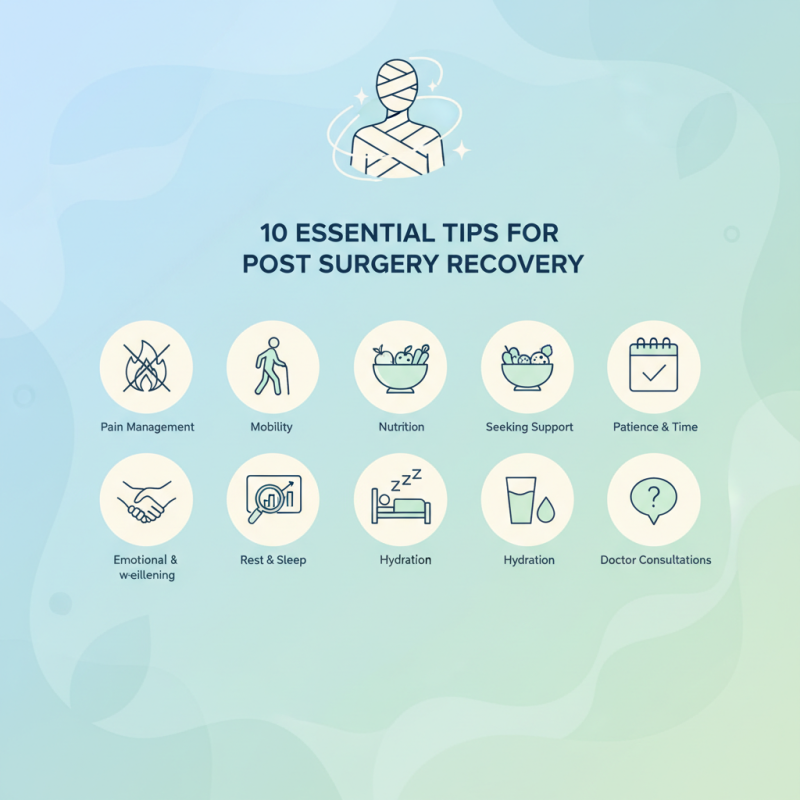
This guide offers ten essential tips. Each tip aims to support your healing journey. From managing pain to seeking help, every aspect matters. Embrace the process. Remember, successful recovery takes time, patience, and effort.
Post-surgery recovery is crucial for healing. Understanding its importance can lead to better outcomes. The body needs time to heal properly after any surgical procedure. Rushing this process can lead to complications and prolonged pain. Proper recovery reduces risks associated with infections and other issues.
Engaging with healthcare professionals is vital. They provide guidance tailored to your specific needs. Follow their instructions regarding medication and activity levels. This not only aids physical recovery but also helps in emotional well-being. Mental health often feels neglected after surgery. Addressing anxiety and stress can enhance the healing experience.
Listening to your body is essential during recovery. Some days will be harder than others. It's okay to feel frustrated or overwhelmed. Accepting these feelings can lead to better coping strategies. Reflection on your recovery journey can foster resilience. Every person's experience is unique, and patience plays a key role. Recognizing small victories can significantly impact your motivation and outlook.
After surgery, managing pain and discomfort is crucial for a smooth recovery. Your healthcare team may prescribe medications, but it's essential to understand how to use them effectively. Take pain relievers on schedule to prevent pain from escalating. Adjusting the dosage without medical advice can be risky. Monitor your pain levels regularly.
Beyond medication, using ice packs can help reduce swelling. Apply them for 20 minutes a few times a day. Heat can also offer relief, but ensure it's safe for your specific situation. Gentle movement can promote blood flow and healing. However, listen to your body and do not overexert yourself. Fatigue can amplify discomfort, so prioritize rest.
Discomfort can also stem from anxiety and stress. Engage in deep breathing or meditation techniques. Connecting with loved ones can foster emotional support. Remember to evaluate your surroundings. An organized, calming space can enhance your recovery comfort. Reflect on your healing journey – what works and what doesn’t? This reflection not only aids recovery but also empowers you for future challenges.
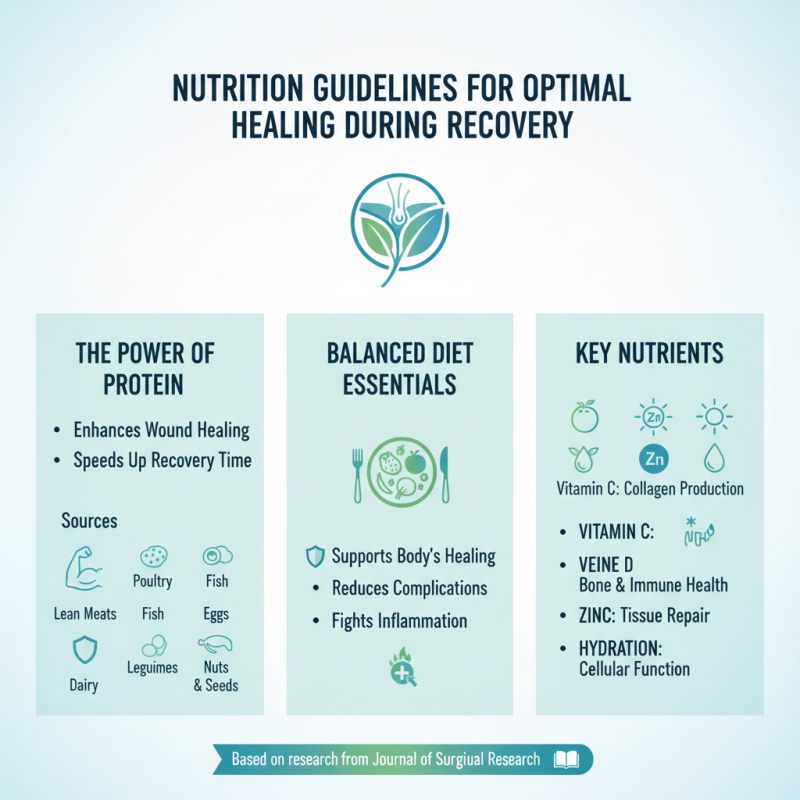
Nutrition plays a crucial role in recovery after surgery. It supports the body’s healing processes and can reduce complications. Research indicates that a balanced diet rich in proteins can enhance wound healing and recovery time. According to a study published in the Journal of Surgical Research, inadequate protein intake can slow recovery and increase inflammation.
Tip 1: Focus on high-protein foods like lean meats, fish, eggs, and legumes. These foods provide essential amino acids that aid in tissue repair. Aim for a protein intake of around 1.2 to 2.0 grams per kilogram of body weight.
Hydration is equally important. Water helps transport nutrients and remove waste products from the body. An article in Nutrients emphasizes that even mild dehydration can impede recovery. Therefore, drink plenty of fluids and consider broths for nourishment.
Tip 2: Include fruits and vegetables in your diet. They are rich in vitamins and minerals necessary for immune function and healing. Aim for a variety of colors on your plate to maximize nutrient intake.
Remember, it's about balance. Not all foods that claim to be healthy are suitable during recovery. Processed foods may have hidden sugars and fats that could hinder your progress. Reflect on what you eat, and prioritize whole foods for the best outcomes.
Physical activity plays a crucial role in post-surgery recovery. Engaging in regular, appropriate exercise can significantly enhance healing. According to a report from the American Journal of Surgery, patients who incorporate physical activity into their rehabilitation typically experience shorter recovery times and reduced complications.
Start with gentle movements as you recover. Walking, even briefly, promotes circulation. This can reduce the risk of blood clots, a common post-surgery issue. Aim for at least five to ten minutes of walking each day, gradually increasing the duration as you feel stronger. This simple habit can make a noticeable difference.
Strength training is also vital but should be approached with caution. Studies indicate that patients who perform resistance exercises post-surgery see improved muscle strength and mobility. However, listen to your body. If you feel pain, it’s important to scale back. Recovery involves trial and error and adjusting exercises based on your comfort level. Always consult with a healthcare professional before starting any new routine after surgery.
| Tip | Description | Importance | Physical Activity Role |
|---|---|---|---|
| Follow Medical Advice | Adhere to your doctor's recommendations regarding medications and follow-up appointments. | Ensures proper healing and reduces risks of complications. | Guided activity may vary; consultation with healthcare providers is vital. |
| Manage Pain | Use prescribed pain management techniques and medications. | Pain management facilitates recovery and encourages mobility. | Physical activity can release endorphins, helping alleviate pain. |
| Stay Hydrated | Drink plenty of fluids to aid recovery and maintain energy levels. | Hydration supports cellular functions and nutrient absorption. | Engagement in light activity can stimulate thirst and fluid intake. |
| Eat Nutritious Foods | Focus on a balanced diet rich in vitamins and minerals to promote healing. | Proper nutrition aids in tissue repair and boosts immunity. | Physical activity can enhance appetite and digestion. |
| Rest Adequately | Ensure sufficient sleep and rest throughout the recovery period. | Rest is crucial for optimal healing and reducing fatigue. | Gentle stretching can promote relaxation and improve sleep quality. |
| Gradually Increase Activity | Start with light activities and slowly increase intensity as advised. | Prevents stiffness and keeps muscles active, aiding recovery. | Regular movement helps regain strength and endurance over time. |
| Monitor Symptoms | Keep track of any unusual symptoms and report them to your doctor. | Early detection of issues can prevent more serious complications. | Physical activity may help you notice changes in your condition. |
| Seek Support | Encourage family or friends to assist during your recovery process. | Social support enhances emotional wellbeing and motivation. | Team activities can provide motivation for keeping active. |
| Follow-Up Appointments | Attend all scheduled follow-up visits to monitor recovery progress. | Essential for assessing physical recovery and adjusting care plans. | Health professionals can recommend tailored exercise regimens. |
| Be Patient | Understand that recovery takes time; avoid rushing the process. | Patience helps reduce frustration and stress during recovery. | Consistent, gentle activity will gradually lead to improvement. |
Post-surgery recovery can be unpredictable. It’s crucial to recognize warning signs that may indicate complications. For example, a study from the American College of Surgeons notes that about 7% of postoperative patients experience serious complications. These may include severe pain, swelling, or unexpected fever. If you notice any of these symptoms, it’s essential to contact your surgeon immediately.
Be attentive to your body. If your recovery doesn't seem right, don't hesitate. Temporary discomfort is normal, but persistent pain can signal issues. Another report highlights that about 50% of patients ignore warning signs due to fear or misinformation. Remember, delaying communication with your medical team can lead to worsening conditions. Prioritize your health and reach out for help.
During recovery, follow these essential tips: