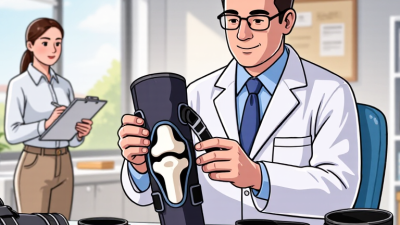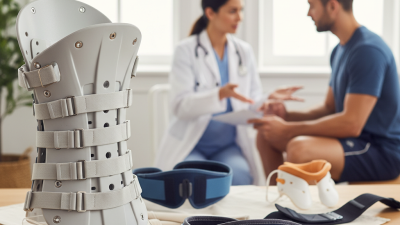
Orthopedic Bracing is more than fastening a rigid shell around an injured limb. It is a clinical tool designed to guide movement, reduce stress, protect healing tissue, or improve daily function. A knee brace may steady an unstable joint during a short walk. An ankle-foot orthosis may help lift the toes when nerve weakness affects walking. A spinal brace can limit motion after certain injuries, although it may feel restrictive and uncomfortable.
Orthopedic surgeon Dr. Howard Luks expresses an important clinical principle: “A brace is a tool, not a cure.” The statement matters because patients can easily expect immediate repair from visible support. In practice, correct bracing depends on diagnosis, fit, timing, skin condition, and realistic goals. Poor sizing may cause pressure near the kneecap, numbness around the ankle, or rubbing beneath the straps. Even a well-designed device can fail when worn too tightly or used without professional guidance.
This guide examines the main types of Orthopedic Bracing, including knee, ankle, wrist, elbow, spinal, and post-operative supports. It also considers functional braces, immobilizers, custom devices, and ready-made options. The differences are practical, not merely technical. A hinged brace allows controlled motion. An immobilizer limits it. A compression sleeve offers light support but cannot stabilize a severely damaged ligament. Some choices remain uncertain without an examination, imaging, or gait assessment. That uncertainty should not be ignored. A qualified orthopedic clinician or orthotist can help match the brace to the person, injury, activity level, and recovery plan.
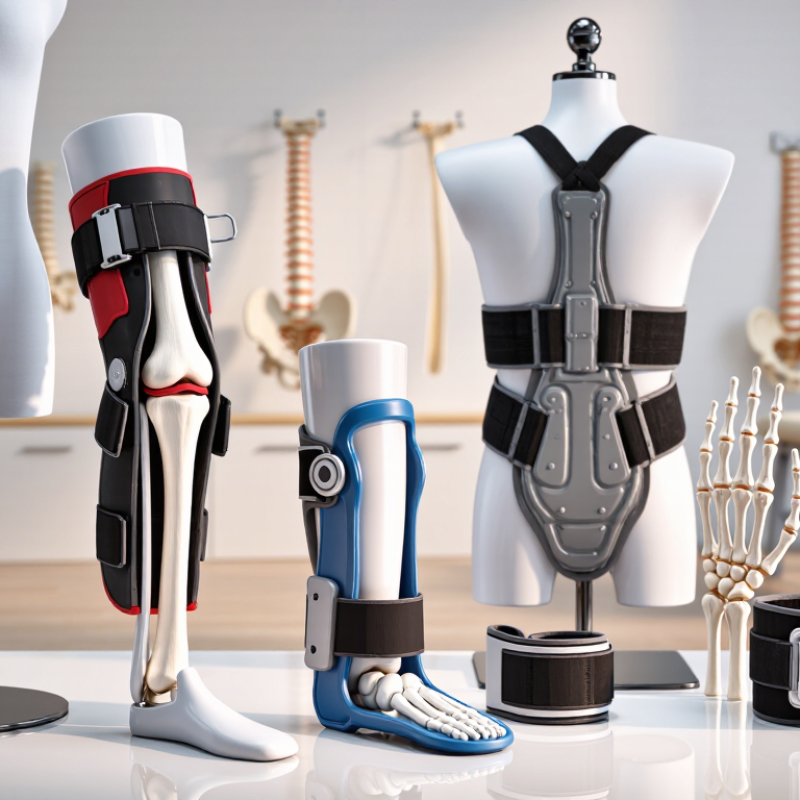
Orthopedic bracing supports joints, bones, and soft tissues during movement or recovery.
A brace may limit painful motion, improve alignment, or reduce pressure on an injured area. It works through controlled compression, stabilization, and mechanical guidance. For example, a knee brace can reduce unwanted side-to-side movement while allowing safe bending. An ankle brace may support weak ligaments during walking.
Different designs serve different needs. Rigid braces provide stronger restriction after serious injuries or surgery. Hinged braces allow movement within a safer range. Soft sleeves offer compression and warmth for mild discomfort.
Functional braces support activity, while immobilizers keep a joint almost still. The correct type depends on the injury, healing stage, daily activity, and medical assessment. One brace cannot suit everyone.
Tips:
Choose fit over appearance. The brace should feel secure, not painfully tight. Check for numbness, cold skin, swelling, or unusual color changes. These signs need prompt attention. Wear it exactly as directed by a qualified healthcare professional. A fitting may need adjustment after swelling decreases. This part is often overlooked. Keep the skin clean and inspect it daily for rubbing or pressure marks. Bracing can help, but it does not replace rehabilitation, strength training, or a proper diagnosis. Even a well-designed brace may feel awkward at first, and comfort can improve only after careful adjustment.
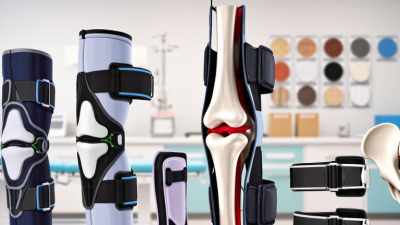
Orthopedic bracing is recommended when a joint needs support, controlled movement, or protection during healing. Common examples include ligament injuries, post-surgical recovery, chronic instability, and selected cases of osteoarthritis. A brace may also reduce pressure on a painful area during walking, lifting, or sport. However, pain alone does not automatically justify bracing. A clinician should assess joint stability, swelling, strength, skin condition, and daily movement demands.
1.71 billion
people live with musculoskeletal conditions worldwide.
The need is substantial. The World Health Organization’s Global Status Report on Physical Activity estimates that 1.71 billion people live with musculoskeletal conditions worldwide. For knee osteoarthritis, the American Academy of Orthopaedic Surgeons’ 2021 clinical practice guideline recognizes bracing as a possible option for improving pain and function in some patients. The benefit varies. Fit matters. A loose brace may slip and irritate skin, while excessive pressure can cause numbness or discomfort. Patients with poor circulation or reduced sensation require particular caution.
The benefit varies. Fit matters. A loose brace may slip and irritate skin, while excessive pressure can cause numbness or discomfort.
A brace should support rehabilitation, not replace it. Physical therapy often remains necessary for strength, balance, and movement control. Clinicians may recommend a hinged brace after ligament injury, an unloading brace for carefully selected knee arthritis, or a rigid support after certain fractures. The evidence is not perfectly uniform. Some patients feel immediate confidence, yet objective improvement may be modest. Follow-up is important, because swelling changes, activity increases, and the original prescription may become unsuitable. Data from the U.S. National Institute of Arthritis and Musculoskeletal and Skin Diseases also emphasizes individualized care for musculoskeletal disorders, rather than one device for every patient.
Orthopedic braces support joints, limit unsafe movement, or guide recovery after injury. Their design depends on the body area and clinical goal. The Global Burden of Disease Study 2021 estimated that low back pain affected about 619 million people in 2020. This helps explain the growing need for practical support devices.
Functional braces stabilize an injured joint while allowing controlled motion. Knee versions may use hinges after ligament injuries. Prophylactic braces aim to reduce impact during contact sports, although protection is never guaranteed. Rehabilitative braces restrict movement after surgery or fracture. A locked knee brace, for example, can keep the leg straight while walking. Unloader braces shift pressure away from one side of an arthritic knee. They can make stairs feel easier, but results vary.
Compression braces provide gentle pressure and may reduce swelling or improve joint awareness. Spinal braces limit movement or support posture, yet prolonged use may weaken confidence in natural movement. Soft braces suit mild support. Rigid braces offer stronger control. Poor sizing can cause numbness, skin marks, or slipping. It happens.
The World Health Organization reports that about 1.71 billion people live with musculoskeletal conditions worldwide. A brace should match the diagnosis, activity, skin condition, and recovery stage. Professional fitting matters, especially for children and postoperative patients. Evidence is mixed for some preventive uses, so treatment plans should be reviewed rather than copied from online advice.
(Sources: WHO Musculoskeletal Health Fact Sheet, 2022; Global Burden of Disease Study 2021, The Lancet Rheumatology, 2023.)
Orthopedic bracing supports joints, bones, and soft tissues during healing or movement. Common options include knee braces, ankle supports, wrist splints, back braces, and shoulder immobilizers. Each design serves a different purpose. Some limit motion after injury, while others reduce strain during daily activities or sports.
Choosing the right orthopedic brace begins with an accurate assessment. A licensed clinician should consider your diagnosis, pain level, joint stability, and usual activities. A hinged knee brace may suit controlled movement, while a rigid brace may protect a healing fracture. For mild wrist irritation, a splint that keeps the wrist neutral can help during sleep or computer work. Comfort alone is not enough. The brace must provide appropriate support without blocking healthy movement.
Fit matters. It should feel secure, not painfully tight. Check for numbness, tingling, skin discoloration, or increasing swelling after wearing it. Those signs need prompt professional review. Follow the recommended wearing schedule, and inspect the skin each day. Listen closely. A brace can reduce symptoms, but it cannot correct every underlying problem. Some people choose excessive support and become less active than necessary. That can slow recovery. Reassessment is useful when pain changes, movement improves, or the brace becomes uncomfortable. Personal needs vary, and an adjustment may be better than a stronger brace.
An orthopedic brace supports a joint, limits harmful movement, or improves alignment during recovery. The need is widespread: the World Health Organization estimates that 1.71 billion people live with musculoskeletal conditions worldwide (WHO, Musculoskeletal Health, 2022). A brace is not automatically the right answer, though. A clinician should confirm the size, fit, wearing schedule, and treatment goal.
Wear the brace over a thin, dry layer unless your clinician says otherwise. Fasten it firmly, but check that two fingers fit beneath the straps. Keep your toes or fingers warm and normally colored. Remove the brace daily and inspect the skin for redness, blisters, numbness, or swelling. Redness lasting over 30 minutes needs professional advice. Do not sleep in it unless prescribed. That shortcut can cause problems.
Clean fabric parts by hand with mild soap, then air-dry them fully. Avoid hot water, heaters, and harsh chemicals. Check stitching, hinges, padding, and fasteners each week. Replace the brace when it loses shape, causes rubbing, or no longer controls movement. Growing children may outgrow one quickly. Adults may need replacement after swelling changes or treatment progresses. The CDC reports that 58.5 million U.S. adults had diagnosed arthritis during 2019–2021 (CDC, National Statistics, 2023), yet brace use still requires individual assessment. I have seen people tighten straps to “feel secure,” but excessive pressure is not better support. A less obvious issue is odor. It often signals trapped moisture, not a need for stronger adjustment.
Orthopedic braces are external supports designed to stabilize a joint, limit painful movement, improve alignment, or assist recovery. Common categories include knee, ankle, wrist, elbow, back, and cervical braces.
The chart shows the typical movement-support emphasis of common brace categories on a relative 1–5 educational scale, where 5 indicates a stronger emphasis on restricting or guiding movement. Actual brace selection depends on the injury, diagnosis, activity level, and advice from a qualified healthcare professional.
Wear the brace as directed, keep skin and padding clean and dry, inspect straps and fasteners regularly, and replace the brace when it becomes damaged, loses its shape, no longer fits securely, or no longer provides adequate support.