10 Best Cranial Orthosis Therapy Suppliers?

Choosing among the 10 Best Cranial Orthosis Therapy Suppliers requires more than comparing product photographs or advertised prices. A cranial orthosis is a custom-fitted helmet designed to support an infant’s developing head shape. Its value depends on accurate assessment, careful fabrication, and regular clinical follow-up. Qualified suppliers typically work with pediatric orthotists, craniofacial specialists, or prescribing physicians. They may use 3D scanning, physical measurements, and growth reviews to create a more precise fit.

Details matter.

This guide examines supplier experience, practitioner credentials, scanning methods, materials, adjustment services, and family support. It also considers practical issues, including appointment availability, cleaning instructions, replacement policies, and communication during treatment. A reliable provider should explain expected wear schedules, skin-check routines, and warning signs that require professional attention. Transparent pricing and clear insurance documentation also deserve careful review.

No ranking is perfect. Treatment needs differ between infants, clinics, and regions, so the strongest supplier for one family may not suit another. Some companies may offer advanced technology but limited local support. Others may provide excellent follow-up while having fewer customization options. These differences can be easy to overlook. Our comparison therefore focuses on evidence, clinical collaboration, manufacturing consistency, and real-world service rather than promotional claims. Parents and caregivers should confirm recommendations with a qualified healthcare professional before selecting a supplier. The final decision should prioritize safety, fit, comfort, and dependable monitoring throughout therapy.
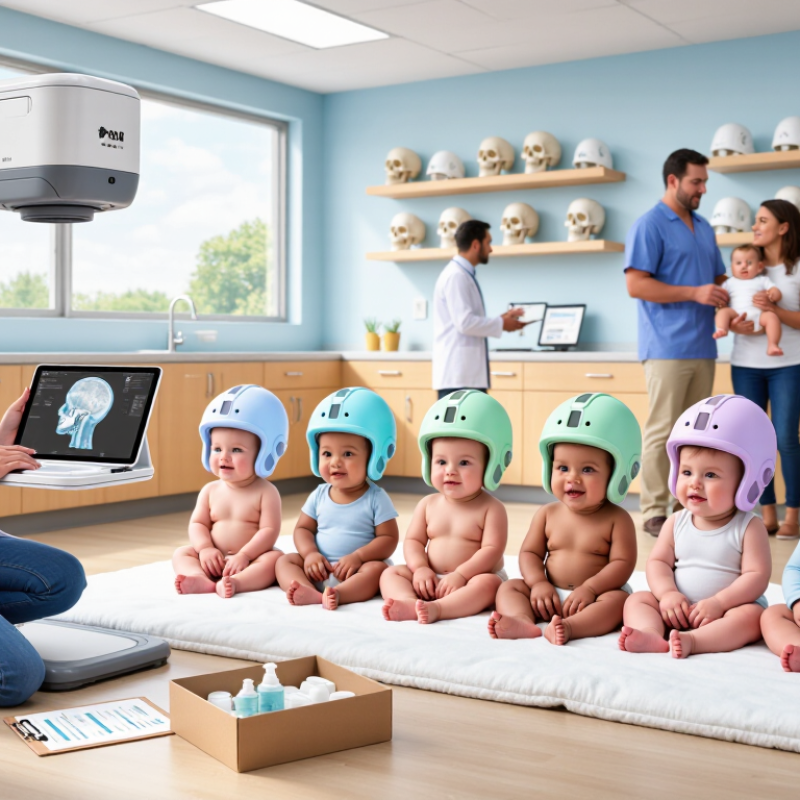
10 Best Cranial Orthosis Therapy Suppliers?

What Is Cranial Orthosis Therapy and Who Needs It?

Cranial orthosis therapy uses a custom-fitted helmet to guide an infant’s skull growth. It is commonly considered for positional plagiocephaly or brachycephaly. These conditions can develop when a baby rests on one area of the head for long periods. The helmet applies gentle, controlled pressure to prominent areas. It leaves room where growth is needed. It does not reshape the brain or treat neurological conditions. A pediatrician or craniofacial specialist should confirm whether helmet therapy is appropriate.

Treatment often begins after repositioning, supervised tummy time, or physical therapy has produced limited improvement. Babies with moderate or severe flattening may benefit most during rapid skull growth. The fitting process should include accurate measurements, skin checks, and scheduled adjustments. Parents may notice redness after wearing the helmet. Persistent marks, swelling, odor, or discomfort require professional review. In practice, results vary. I would not promise a perfect head shape, because age, severity, growth rate, and daily wear all matter.

Tips: Ask who performs the assessment and who supervises follow-up care. Choose a qualified orthotic provider with pediatric experience. Request clear instructions for cleaning, wearing, and handling hot weather. Keep the helmet dry and inspect the skin each day. Never modify the device at home. A supplier should explain costs, replacement policies, and emergency contact options in writing. Caregivers should also discuss feeding, sleep, neck movement, and developmental concerns with the child’s healthcare team.
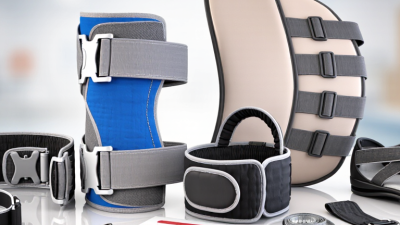

How to Evaluate Cranial Orthosis Therapy Suppliers

Choosing among the ten best cranial orthosis therapy suppliers requires more than comparing prices. Ask whether a qualified orthotist reviews each prescription and measurement. The supplier should document head-shape assessments, such as cranial vault asymmetry and cephalic ratio. Digital scanning can improve consistency, but it does not replace clinical judgment. Request a written fitting schedule, adjustment process, cleaning instructions, and emergency contact details. Transparent remake policies matter when an infant grows quickly.

Clinical evidence should shape your evaluation. The Congress of Neurological Surgeons guideline recommends helmet therapy for selected infants with persistent moderate-to-severe positional plagiocephaly, especially after conservative care. However, its evidence rating is not absolute. The BMJ HEADS randomized trial followed 84 infants and found similar full-recovery rates between helmet therapy and natural development. Parents also reported frequent problems, including skin irritation, sweating, and discomfort. These findings deserve honest discussion.

Check follow-up frequency, clinician credentials, referral communication, and outcome reporting. Ask how suppliers protect medical images and patient information. A polished website proves little. Testimonials are not outcome data. A practical checklist is imperfect. Still, a reliable supplier should explain expected improvement, treatment limits, total costs, and possible delays without pressure. The best evaluation includes your pediatric clinician, not just a sales representative. Beware vague promises, rushed fittings, and invoices that separate essential services from optional extras.

10 Best Cranial Orthosis Therapy Suppliers: How to Evaluate Them

Recommended evaluation weighting for comparing cranial orthosis therapy suppliers

Clinical fit and safety should receive the greatest emphasis because cranial orthoses require appropriate patient assessment, documented manufacturing quality, and compliance with applicable medical-device requirements. Workflow reliability, customization, clinical support, and transparent pricing can then be used to distinguish suppliers with similar safety and clinical capabilities. These percentages are a practical procurement framework rather than a ranking of any specific company or brand.

Key Services Offered by Leading Orthotic Providers

Leading cranial orthosis therapy suppliers provide more than a molded helmet. Their service usually begins with a clinical assessment of head shape, growth patterns, skin condition, and treatment goals. A qualified orthotist may use a 3D scan to capture precise measurements without plaster casting. The scan supports a custom design. Clinical judgment remains essential.

Experienced providers explain the fitting process in plain language. They check pressure areas around the forehead, ears, and neck. Small adjustments can improve comfort as the infant grows. Follow-up visits often include reshaping, hygiene guidance, wear-time reviews, and progress measurements. Caregivers should receive clear instructions for cleaning, skin checks, and safe daily use. Good communication matters.

Reliable suppliers also coordinate with pediatricians, therapists, and insurance teams when appropriate. They document measurements, fitting changes, and reported concerns. This record supports consistent care across appointments. However, no protocol is perfect. A comfortable fit can still require revision. A scan can look precise, yet clinical symptoms may tell a different story. Providers should welcome questions and explain when treatment needs reassessment. Their authority should come from trained practice, transparent records, and responsive patient support, not confident advertising alone.

Comparing Materials, Fit, Safety, and Treatment Support

Choosing among the 10 best cranial orthosis therapy suppliers requires more than comparing prices. Material quality affects comfort, skin health, and daily wear. Lightweight thermoplastic shells can reduce pressure, while soft liners may help sensitive skin. Ask how the supplier checks ventilation, moisture, and cleaning needs. The device should feel secure without leaving lasting marks.

Fit deserves careful attention. A qualified orthotist should use accurate measurements or digital scanning, then assess the infant’s head shape and growth pattern. During follow-up visits, staff should inspect pressure points behind the ears, near the forehead, and around the neck. Treatment support also matters. Reliable suppliers provide adjustment appointments, caregiver instructions, and clear responses when problems appear. Ask who handles urgent fit concerns.

Tips: Request a written care plan, expected review schedule, and replacement policy. Observe whether the team explains risks in plain language. A confident supplier welcomes questions. Be cautious when promises sound absolute; growth rates differ, and treatment results are never identical. I once assumed a comfortable helmet guaranteed good progress, but fit changes quickly during growth. That assumption needed correction. Choose documented clinical experience, transparent communication, and safety checks over polished advertising.

10 Best Cranial Orthosis Therapy Suppliers? - Comparing Materials, Fit, Safety, and Treatment Support

Rank Non-Branded Supplier Profile Typical Orthosis Material Fit and Design Method Adjustment Capability Safety and Quality Requirements Treatment Support Typical Therapy Workflow Best Suited For Overall Selection Rating
1 Pediatric Cranial Orthotics Specialist Medical-grade thermoplastic shell with low-density foam or hypoallergenic liner 3D cranial scan with digital pressure-relief and growth-zone design Regular in-clinic adjustments, commonly every 1–2 weeks during active growth Skin-contact materials should be biocompatible; edges must be smooth and free of pressure points Caregiver education, skin-check guidance, cleaning instructions, and scheduled reviews Evaluation → scan → fabrication → fitting → frequent growth adjustments → discharge review Infants with positional plagiocephaly or brachycephaly requiring customized correction ★★★★★
2 Hospital-Integrated Orthotic Service Ventilated thermoplastic shell with replaceable medical-grade padding Clinician-supervised scan or cast with documented fit checkpoints On-site modification and rapid referral to pediatric or neurosurgical teams Strong documentation, infection-control procedures, traceable materials, and escalation protocols Coordinates orthotist, pediatrician, neurosurgeon, and physical therapist input Multidisciplinary assessment → prescription → fitting → coordinated follow-up Children with complex medical histories or additional developmental concerns ★★★★★
3 Digital Scanning and CAD/CAM Provider Lightweight thermoplastic shell with digitally selected foam liner Non-contact 3D scanning and computer-aided design Digital remakes or shell modifications when head growth changes the fit Requires validated scanning, design, manufacturing, and quality-control processes Digital records, fit documentation, and remote coordination with the prescribing clinician Digital scan → CAD design → CNC or 3D-assisted fabrication → clinical fitting Families seeking repeatable measurements and digitally documented treatment ★★★★☆
4 Rapid-Turnaround Regional Fabricator Thermoformed polymer shell with moisture-resistant liner Clinic-based scan or cast with standardized fabrication templates Fast local repairs, padding replacement, and edge smoothing Must demonstrate consistent shell thickness, secure fasteners, and safe ventilation Useful for urgent fitting, replacement, or repair needs Assessment → expedited fabrication → fitting → short-interval safety check Patients who need a replacement device or have limited travel options ★★★★☆
5 Low-Profile Comfort-Focused Provider Thin, lightweight thermoplastic with soft, breathable liner materials Custom scan or cast emphasizing reduced bulk and balanced contact Padding relief and contour changes to improve comfort during wear Must maintain adequate ventilation, smooth borders, and stable retention without excessive tightness Detailed wear-in schedule, hygiene coaching, and comfort monitoring Gradual wear increase → daily skin inspections → routine fit review Infants or caregivers prioritizing comfort, ventilation, and ease of handling ★★★★☆
6 Growth-Adjustable Orthosis Service Thermoplastic shell with replaceable or repositionable internal padding Custom design incorporating expected growth and correction zones Padding changes and selective relief modifications during growth Adjustment records should document skin condition, fit, head growth, and device integrity Planned review intervals based on growth rate rather than a fixed schedule alone Baseline fitting → repeated growth measurements → progressive adjustments Children beginning treatment early and expected to experience rapid head growth ★★★★☆
7 Sensitive-Skin and Allergy-Conscious Provider Low-irritant shell and carefully selected latex-free, hypoallergenic padding Custom fit with extra attention to pressure distribution and ventilation Frequent liner changes, pressure relief, and material substitution when clinically appropriate Material disclosure, cleaning compatibility, skin surveillance, and prompt response to redness or breakdown Written instructions for hygiene, perspiration control, and skin reaction reporting Short initial wear periods → skin review → gradual increase toward prescribed wear time Infants with eczema, perspiration problems, or previous contact sensitivity ★★★★☆
8 Remote-Access Follow-Up Provider Standard custom thermoplastic shell with replaceable foam liner Initial in-person scan or cast followed by virtual check-ins where appropriate Minor guidance remotely; physical modifications require an equipped clinic or return shipment Must provide clear limits for remote assessment and urgent in-person referral instructions Telehealth support, photo-based skin checks, reminders, and caregiver troubleshooting In-person fitting → scheduled remote monitoring → in-person adjustment when needed Families living far from an orthotic clinic or with transportation limitations ★★★☆☆
9 Repair and Replacement Specialist Replacement thermoplastic shell, liner, straps, or closure components matched to the prescription Existing device assessment plus repeat measurement when fit or growth has changed Strong focus on structural repairs, liner replacement, and edge finishing Repaired devices must be inspected for cracks, sharp edges, loose hardware, and altered pressure areas Helps reduce treatment interruption after damage, loss, or contamination Device inspection → repair or remake decision → safety fitting → return to prescribed wear Families needing continuity of care after device damage or rapid growth ★★★☆☆
10 Value-Oriented Community Orthotic Provider Conventional medical-grade thermoplastic with standard foam padding Custom cast or scan using established clinical templates Routine adjustments and repairs according to clinic availability Should provide documented clinical oversight, material information, hygiene guidance, and follow-up access Basic caregiver training, scheduled reviews, and referral escalation for complications Prescription → custom fabrication → fitting → periodic review during treatment Families seeking a practical local service with predictable follow-up costs ★★★☆☆
Clinical selection note: A cranial orthosis should be prescribed, fitted, and monitored by qualified healthcare professionals. Common care principles include gradual wear-in, routine skin checks, daily cleaning, adequate ventilation, and prompt clinical review for persistent redness, swelling, sores, unusual odor, pain, fever, or a device that becomes too tight.

Questions to Ask Before Choosing a Cranial Orthosis Supplier

Questions to Ask Before Choosing a Cranial Orthosis Supplier

Before choosing a cranial orthosis supplier, ask about clinical experience. How many infants has the team supported? Who completes the assessment, measurements, and fitting? Does a qualified clinician work with the child’s pediatric care team? Ask for clear information about training, quality procedures, and expected treatment stages. A polished website proves little. Specific answers matter.

Ask how the orthosis is designed for your child’s head shape. Are measurements taken with three-dimensional scanning or another validated method? How does the team check comfort around the ears, neck, and skin? Request details about ventilation, cleaning, adjustment visits, and safe daily use. What happens if growth changes the fit? Can the supplier provide repairs or a replacement when needed? Small practical details often affect treatment more than attractive packaging.

Discuss follow-up care before signing anything. How quickly can the team respond to redness, pressure marks, or discomfort? Are progress checks included in the quoted price? Ask for written fees, possible extra costs, warranty terms, and insurance documentation. The supplier should explain evidence without promising identical results for every child. Outcomes can vary. It is tempting to choose the fastest delivery, but rushed fitting may create avoidable problems. Ask for realistic timelines, measurable goals, and records that can be shared with the child’s healthcare professionals.