10 Best Orthopedic Bracing Suppliers Worldwide
Choosing reliable Orthopedic Bracing suppliers requires more than comparing product catalogs or attractive claims. This guide examines ten international suppliers through practical, evidence-informed criteria. These include material quality, anatomical design, clinical support, manufacturing consistency, and customer service. A useful brace should feel secure without creating unnecessary pressure. It should also remain comfortable during movement, whether supporting a knee, wrist, spine, or ankle.
Small details matter. Look for breathable liners, adjustable straps, clear sizing charts, and durable hinges. Ask whether products are tested, traceable, and supported by appropriate quality systems. Regional medical-device requirements may differ, so buyers should verify current certifications and registration details independently. Clinical feedback is valuable, but marketing language can exaggerate performance. A polished website proves little. No supplier is perfect.
This overview also considers production capacity, customization options, delivery reliability, and post-purchase assistance. Hospitals may need consistent bulk supply, while rehabilitation clinics may prioritize fitting guidance and replacement parts. Individual users often need simpler instructions and responsive support. The strongest suppliers usually combine technical expertise with transparent communication. Still, rankings can change as technologies, regulations, and service standards develop. Readers should treat this list as a starting point, not a final purchasing decision. A qualified healthcare professional should confirm whether a brace suits the user’s condition, movement needs, and recovery plan. Good support begins with honest assessment.
Orthopedic Bracing Suppliers: Industry Scope and Product Categories
Orthopedic bracing suppliers serve a broad medical market, from local clinics to large hospital networks. Their industry includes design, material sourcing, manufacturing, fitting support, and international distribution. A reliable supplier should provide clear product specifications, traceable quality records, and practical guidance for clinicians.
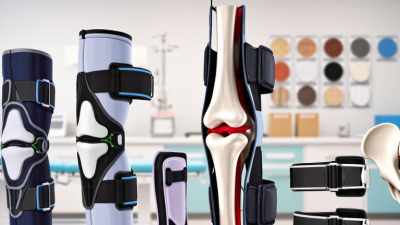
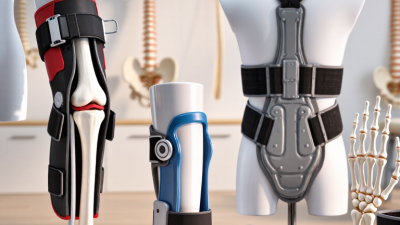
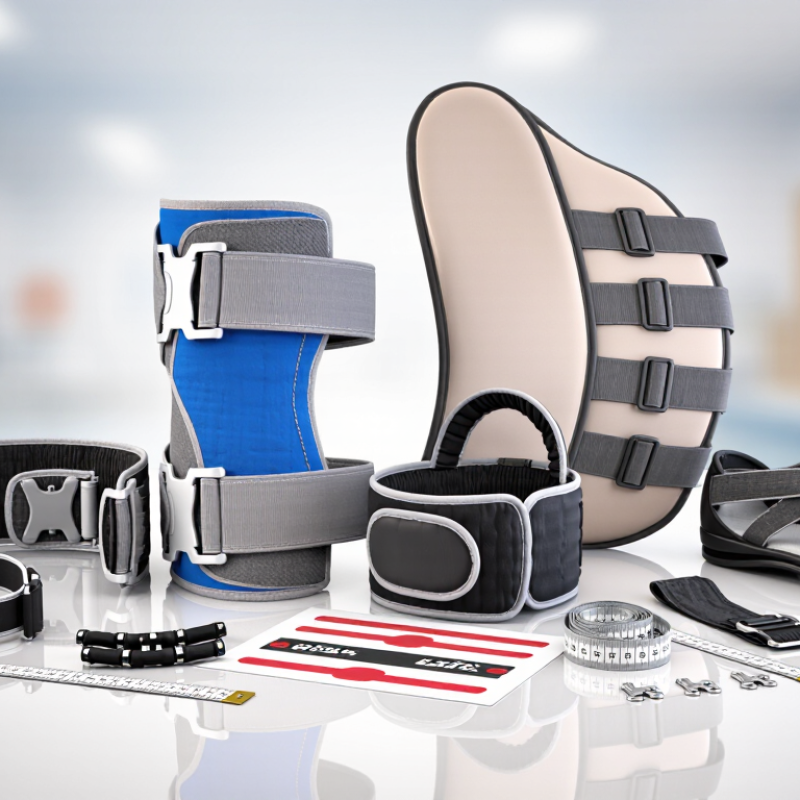
Product categories usually include knee braces, ankle supports, wrist splints, shoulder stabilizers, spinal orthoses, and post-operative immobilizers. Some suppliers also produce pediatric braces, sports supports, fracture-care devices, and custom orthoses.
Materials may include breathable textiles, molded polymers, aluminum stays, silicone pads, and adjustable fastening systems. Fit matters. A brace that slips during walking can reduce patient confidence and clinical value.
In practice, buyers should examine sizing accuracy, hinge durability, skin-contact materials, cleaning instructions, and replacement-part access. Professional suppliers often support orthotists with fitting charts, training materials, and case-based recommendations.
Regional regulatory documentation also deserves careful review, especially for products used after surgery or injury. No supplier is perfect. A polished catalog may still hide slow service or limited customization.
I would compare response times, sample quality, and complaint handling before selecting a long-term partner. Details matter, particularly when a patient wears the device for eight hours daily.
How to Evaluate Global Orthopedic Bracing Manufacturers
Choosing among the 10 best orthopedic bracing suppliers requires more than comparing prices or product photos. Evaluate each manufacturer’s clinical experience, material knowledge, and quality controls. Ask for technical files, testing records, and evidence supporting product performance. A reliable supplier should explain sizing, pressure distribution, skin contact materials, and expected service life clearly.
Inspect the production process when possible. Review traceability from incoming materials to final inspection. Confirm whether the manufacturer maintains a documented quality system, such as ISO 13485 certification, and verify that certificates remain valid. Request samples for fit testing, especially for braces used after surgery or during rehabilitation. Measure comfort after several hours, not only during a brief fitting. A polished catalog can still hide weak practical details. No checklist is perfect.
Tips: Compare at least three suppliers using the same criteria. Check response times and technical communication. Ask about customization, minimum order quantities, packaging, replacement parts, and complaint handling. Discuss realistic lead times, not optimistic promises. Independent audits can reveal production gaps that documents miss. Do not accept vague claims about clinical results. Require clear test methods and applicable market documentation. Small details matter, such as stitching consistency, hinge alignment, washable liners, and instructions that patients can understand. Suppliers that welcome difficult questions often provide more dependable long-term cooperation.
Choosing the Right Supplier for Clinical and Retail Needs
Choosing the Right Supplier for Clinical and Retail Needs
Selecting an orthopedic bracing supplier requires more than comparing prices. Clinical buyers need dependable compression, accurate sizing, and evidence supporting patient outcomes. Retail teams also need clear packaging, simple fitting instructions, and responsive order support. A supplier serving both channels should understand these different pressures.
In practice, I would examine material specifications, product testing, traceability, and quality-control records. Ask how suppliers manage design changes, damaged shipments, and recurring sizing complaints. Strong suppliers provide fitting education for clinicians and practical sales guidance for retail staff. They should also offer consistent stock levels, transparent lead times, and replacement procedures. Small details matter. A confusing size chart can create avoidable returns and patient frustration.
Supplier experience deserves close attention. Request samples and test them during realistic movements, not only at a desk. Check stitching, edge comfort, fastening strength, and skin contact after extended wear. Clinical references can reveal performance that brochures often hide. Retail feedback may expose packaging or training weaknesses. No checklist is perfect. I have seen technically sound products fail because staff lacked fitting confidence. Cost still matters, but the cheapest option may create higher service costs later. A careful review should balance clinical credibility, usability, supply reliability, and honest communication.