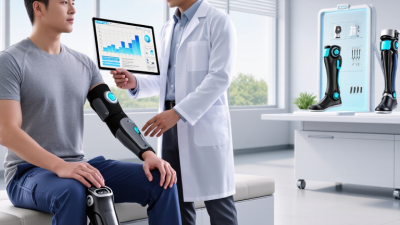
China has become an important manufacturing base for prosthetic devices, components, and rehabilitation technologies. This guide examines China’s top 10 prosthetic limb technology suppliers through practical and evidence-based criteria. The focus is not only on product appearance or marketing claims. It considers engineering experience, clinical cooperation, manufacturing quality, customization, after-sales support, and documented regulatory compliance.
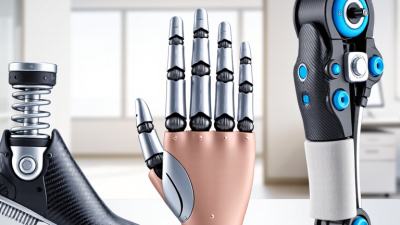
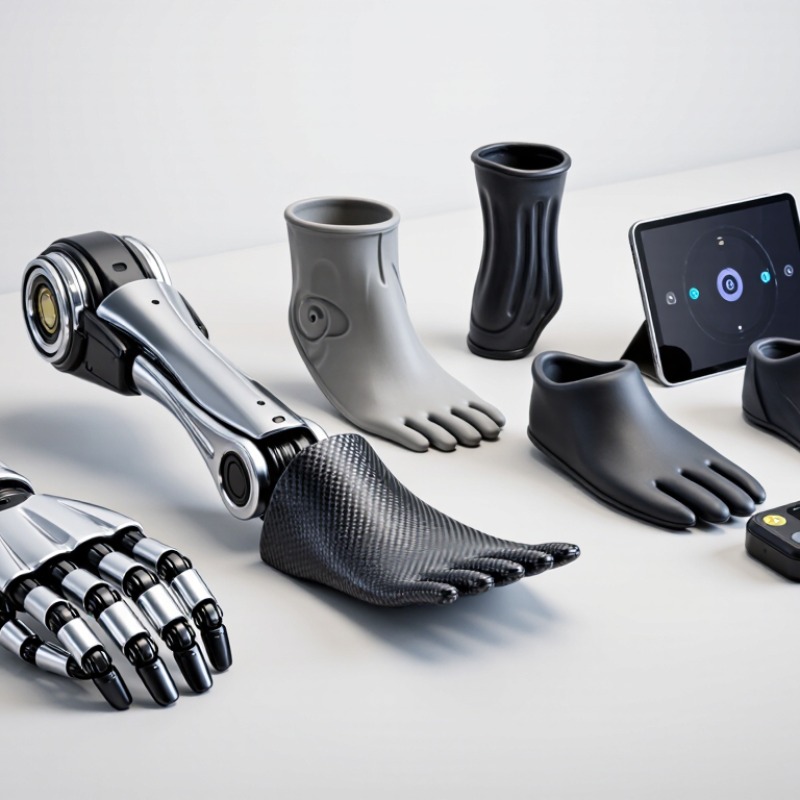
Prosthetic Limb Technology can include mechanical knees, myoelectric hands, carbon-fiber feet, sockets, control systems, and digital fitting tools. Each supplier may serve a different user group. Some focus on affordable daily-use devices, while others develop advanced systems for hospitals, rehabilitation centers, and research institutions. Product materials matter. So does comfort. A well-designed socket can reduce pressure during walking, while a poorly fitted one may cause skin irritation within hours.
This overview uses publicly available company information, technical documentation, certification records, professional reports, and user-oriented observations where possible. Relevant standards, such as ISO 13485, may indicate structured quality management, but certification alone cannot prove clinical effectiveness. Independent testing and long-term patient feedback remain important. No ranking is permanently correct. Supplier data can be incomplete, product lines can change, and international availability may differ by region. That limitation deserves attention.
Readers should compare warranty terms, maintenance access, clinician training, replacement-part availability, and total ownership costs. A lower purchase price may become expensive when repairs are difficult. The strongest suppliers usually combine engineering capability with responsive service and transparent documentation. This article offers a careful starting point, not a substitute for assessment by a qualified prosthetist, physician, or rehabilitation team.
China Top 10 Prosthetic Limb Technology Suppliers
Ranking Criteria for China’s Top 10 Prosthetic Limb Technology Suppliers
A credible ranking should begin with clinical evidence, not advertising claims. Each supplier should show documented testing, qualified technical teams, and consistent manufacturing records. Independent quality audits can reveal whether production remains stable across different batches. Safety, material durability, and structural performance deserve significant weight.
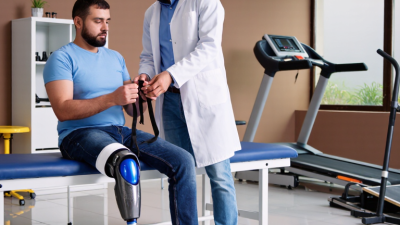
Practical fitting experience also matters. Reviewers should examine socket comfort, alignment accuracy, walking stability, and adjustment time. A well-designed limb should feel balanced during stairs, slopes, and everyday movement. User feedback can add valuable evidence, especially when it covers six months or longer. Short demonstrations are useful, but they cannot replace real-life outcomes.
Aftercare should influence the final position. Suppliers offering clear maintenance guidance, replacement support, and clinician training are more dependable. Response time matters when a liner tears or a joint needs adjustment. Transparent pricing and traceable product information also strengthen trust. No ranking is perfect. Some suppliers may have excellent engineering but limited long-term data. Others may serve local clinics effectively without publishing extensive research. This limitation should be stated openly, rather than hidden behind confident scores. A balanced assessment combines technical performance, professional experience, patient safety, service reliability, and verified user results.
| No. | Ranking Criterion | Weight | Measured Dimension | Verified Data Sources | Scoring Method | Maximum Score |
|---|---|---|---|---|---|---|
| 1 | Product Safety and Quality Management | 18% | Quality-management certification, production controls, traceability, complaint handling and corrective-action procedures | Public certification records, regulatory filings, quality audits and documented post-market procedures | Full points for a current medical-device quality system with independently verifiable evidence; deductions apply for gaps or expired documentation | 18 points |
| 2 | Regulatory Compliance and Market Authorization | 14% | Product registration status, applicable classification, export compliance and conformity documentation | Official medical-device databases, conformity certificates, registration records and customs or export documentation | Scored by the number, validity and geographic coverage of verifiable approvals relevant to the product category | 14 points |
| 3 | Clinical Performance and User Outcomes | 14% | Clinical evidence, user comfort, gait performance, reliability, patient satisfaction and rehabilitation outcomes | Peer-reviewed studies, clinical evaluations, hospital procurement records and structured user-feedback programs | Higher scores require independent evidence with transparent sample sizes, evaluation methods and outcome measures | 14 points |
| 4 | Technology and Product Innovation | 12% | Microprocessor control, sensor integration, energy efficiency, software functions, materials and intellectual-property activity | Technical specifications, patent databases, product testing reports and documented engineering updates | Points are awarded for meaningful, tested technological improvements rather than product claims alone | 12 points |
| 5 | Product Portfolio and Functional Coverage | 10% | Coverage of upper-limb, lower-limb, pediatric, sports, cosmetic and rehabilitation applications | Current product catalogs, technical datasheets, fitting protocols and service documentation | Scores reflect product breadth, compatibility, clinical use cases and availability of different activity levels | 10 points |
| 6 | Customization and Clinical Fitting Capability | 9% | Residual-limb assessment, socket customization, alignment adjustment, digital scanning and clinician support | Fitting-center records, clinician training materials, service manuals and documented customization workflows | Higher scores require repeatable fitting procedures and support for patient-specific adjustment | 9 points |
| 7 | Manufacturing Capacity and Supply Reliability | 8% | Production capability, lead-time consistency, component availability, quality inspection and continuity planning | Factory audits, delivery records, production documentation and supplier-risk management procedures | Scores increase with stable capacity, documented inspection controls and fewer supply interruptions | 8 points |
| 8 | After-Sales Service and Maintenance | 6% | Warranty coverage, repair turnaround, spare-parts availability, software updates and technical support | Warranty terms, service-level policies, repair records and authorized service-network information | Points are based on coverage duration, response procedures and availability of long-term maintenance support | 6 points |
| 9 | Cost-Effectiveness and Total Cost of Ownership | 5% | Acquisition cost, fitting cost, maintenance expense, replacement-part cost and expected service life | Comparable quotations, tender data, warranty information and lifecycle-cost calculations | Scores compare verified lifecycle value, not only the initial purchase price | 5 points |
| 10 | Transparency and Responsible Business Practices | 4% | Technical-data transparency, ethical marketing, accessibility information, environmental practices and complaint disclosure | Published technical documents, sustainability disclosures, public policies and independently verifiable company records | Higher scores require complete, current and consistent information that can be independently checked | 4 points |
| Total | 100% | Suppliers are ranked by the weighted total score across all ten criteria. | 100 points | |||