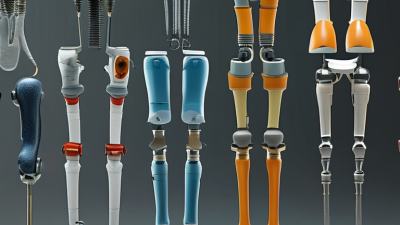
Why Choose Patient Mobility Solutions for Global Healthcare?
Patient mobility is no longer a minor operational concern. It affects safety, dignity, recovery, and staff capacity across hospitals, clinics, and long-term care facilities. The World Health Organization estimates that 1.3 billion people, or 16% of the global population, live with significant disability. Many require safer support when moving between beds, wheelchairs, bathrooms, and examination areas.
The need is growing. According to the United Nations World Social Report 2023, the number of people aged 60 and older reached nearly 1.1 billion globally. It may rise to 1.4 billion by 2030. Aging populations often bring increased mobility limitations, chronic disease, and fall risk. WHO also reports approximately 684,000 fatal falls each year, with adults over 60 facing the greatest risk. These figures give Patient Mobility Solutions a clear clinical and operational purpose.
The right equipment can reduce manual lifting, improve transfers, and help caregivers protect patient dignity. Examples include ceiling lifts, transfer chairs, gait belts, and repositioning systems. Small details matter: a stable sling, a clear transfer path, or a powered lift can change a stressful bedside moment.
The case is strong, but not automatic. Equipment alone cannot solve poor training, limited space, or inconsistent procedures. Hospitals need risk assessments, user education, maintenance plans, and measurable outcomes. Evidence also varies between regions and facilities. That weakness deserves attention. A reliable strategy should combine clinical experience, worker feedback, and recognized guidance from organizations such as WHO, OSHA, and the International Organization for Standardization.
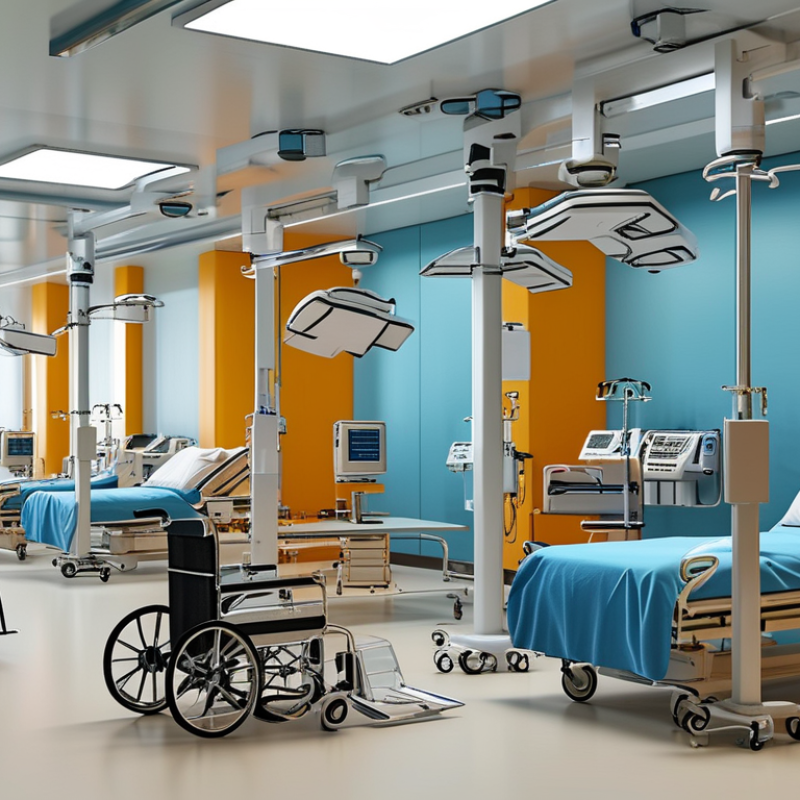
Understanding patient mobility solutions in global healthcare means more than selecting wheelchairs or transfer aids. It involves safe movement from bed to clinic, ambulance, imaging room, and home. In practice, small design choices matter: adjustable handles, washable surfaces, quiet wheels, and clear weight limits. These details can reduce strain for patients and caregivers. They also support dignity when people feel vulnerable. A solution should fit local staffing, building layouts, language needs, and maintenance skills. One device rarely works everywhere. That is an uncomfortable truth.
Global healthcare teams assess mobility needs through observation, clinical guidance, and patient feedback. They consider fall risk, pressure injury prevention, infection control, and emergency access. Reliable training is essential. Written instructions should use simple language and visual steps. Regular checks can identify loose brakes, worn straps, or battery problems before harm occurs. However, assessment is not perfect. A patient’s strength may change overnight, so care plans need review rather than blind routine. Evidence, local standards, and documented outcomes should guide decisions.
Tips: Measure doorways and turning spaces before procurement. Test equipment with real staff and patients. Ask who will clean, repair, and store it. Keep backup transfer plans for power failures or crowded wards. Record near misses without blame. They reveal weak points. Listen carefully. Comfort is clinical information, not decoration.

Global healthcare systems are preparing for a rapidly ageing population. The World Health Organization estimates that the number of people aged 60 years and older will increase from approximately 1.0 billion in 2020 to 2.1 billion by 2050, increasing the need for safe transfers, rehabilitation support, assisted walking and other patient mobility services.
Source: World Health Organization, “Ageing and Health.” The figures represent the estimated global population aged 60 years and older, not direct demand for any specific mobility product.
Patient mobility solutions combine safe-transfer equipment, clinical assessment, and responsive support services. The World Health Organization’s Global Report on Assistive Technology estimates that 2.5 billion people need assistive products today. This figure may exceed 3.5 billion by 2050. Powered hoists, ceiling lifts, transfer boards, and adjustable beds can reduce strain during common movements. Sensors can monitor weight distribution, movement speed, and possible instability. These details help staff choose safer transfer methods. However, technology cannot replace trained judgment.
Effective services begin with a mobility-risk assessment for each patient. Clinicians review strength, balance, pain, cognition, and home conditions. Digital records can connect these findings with care plans and equipment settings. Training should include hands-on practice beside a bed, wheelchair, or bathroom. Maintenance teams must inspect batteries, slings, brakes, and emergency controls. The U.S. Centers for Disease Control and Prevention reports that one in four adults aged 65 and older falls each year. That statistic makes prevention practical, not theoretical. Yet assessments can be incomplete, especially when patients fatigue quickly or communication is limited. Staff need clear escalation procedures, multilingual guidance, and regular reassessment. A mobility program should measure transfer incidents, staff injuries, response times, and patient confidence. Metrics reveal gaps, but they do not explain every human decision.
Why Choose Patient Mobility Solutions for Global Healthcare?
Patient mobility solutions can improve safety and expand access to care. A suitable wheelchair, transfer aid, or walking support reduces unnecessary strain during movement. It can also lower fall risks in hospitals, clinics, and home settings. Small details matter. Non-slip grips, adjustable supports, and clear movement paths help patients feel more secure.
Mobility support also connects patients with essential services. A person who can safely reach a treatment room is less likely to miss an appointment. In rural areas, portable equipment may support outreach visits and temporary care sites. Rehabilitation professionals should assess strength, balance, pain, and living conditions before recommending equipment. A solution that works in a hospital may fail on uneven ground. That limitation deserves honest attention. No device solves every barrier.
Tips: Train caregivers through practical demonstrations, not written instructions alone. Check brakes, cushions, straps, and frame stability before each use. Ask patients what feels difficult. Their feedback can reveal problems that routine assessments miss. Keep pathways wide and lighting clear. Review mobility plans after illness, surgery, or medication changes. Staff should document incidents and near misses carefully. These records support safer decisions and reveal where training needs improvement. Local repair access also matters, because damaged equipment can quickly become a safety concern.
Adapting patient mobility systems across countries requires more than translating a user manual. A compact transfer device may suit a modern ward, yet fail beside a narrow bed or uneven floor. Local assessments should examine room dimensions, lift capacity, power stability, infection-control routines, and staff training. No design is universally correct. That assumption is easy to make, and often wrong.
More than 2.5 billion people need at least one assistive product.
The need is substantial. WHO and UNICEF’s Global Report on Assistive Technology (2022) estimates that more than 2.5 billion people need at least one assistive product. Nearly one billion people lack access in low- and middle-income countries. These figures support modular systems, not identical installations.
Manual options remain essential where electricity is unreliable. Battery equipment needs charging plans, spare parts, and safe fallback procedures.
One in six people will be aged 65 or older by 2050.
Population structure adds pressure. The United Nations World Social Report 2023 projects that one in six people will be aged 65 or older by 2050. Hospitals need mobility support for frail adults, post-surgical patients, and caregivers with limited strength.
Adjustable handgrips, low-entry bases, washable surfaces, and multilingual visual cues improve practical use. Small details matter.
Yet adaptation can still fail. A system may meet technical specifications and be ignored during busy transfers.
Procurement teams should test it with nurses, therapists, patients, and maintenance staff. They should measure transfer time, near misses, cleaning effort, and repair delays before expanding deployment.
Choosing a global mobility solution begins with clinical reality, not impressive specifications. Nurses need equipment that works beside crowded beds, narrow lifts, and uneven flooring. A transfer aid should support different body sizes, mobility levels, and care settings. It must reduce strain without removing patient dignity. Small details matter. A stable brake, clear controls, and washable surfaces can change daily care.
Safety and compliance require careful checking across countries. Confirm applicable medical-device standards, electrical requirements, data protections, and local procurement rules. Documentation should be available in relevant languages. Staff training also needs practical delivery, not only online instructions. During a ward trial, observe transfers, cleaning routines, charging time, and storage space. Ask patients and caregivers what feels secure. Their feedback may reveal risks that technical teams overlook.
Interoperability and support deserve equal attention. The solution should connect with existing workflows without forcing staff to duplicate records. Check integration options, cybersecurity controls, maintenance coverage, spare-part access, and response times in each region. A low purchase price can become expensive when repairs require long-distance shipping. No system fits every hospital. A pilot may expose limitations, and that is useful. Review incident data, staff confidence, patient outcomes, and total operating costs before expanding. Global consistency matters, but local adaptation often determines whether mobility technology is actually used.
| No. | Key Selection Factor | Why It Matters in Global Healthcare | Recommended Evaluation Benchmark | Evidence to Request | Priority |
|---|---|---|---|---|---|
| 1 | Clinical Safety and Patient Risk | Patient mobility equipment is used near vulnerable people and must reduce falls, transfer injuries, strain, and avoidable handling risks. | Documented risk assessment; clear safe-working-load limits; emergency-stop or manual-release functions where applicable; routine inspection procedures. | Risk-management file, user manual, maintenance schedule, incident-reporting process, and applicable conformity documentation. | Critical |
| 2 | Regulatory and Standards Readiness | Healthcare requirements differ by country, and non-compliance can delay deployment, procurement, or clinical use. | Country-by-country regulatory checklist covering medical-device classification, electrical safety, labeling, language, import, and post-market obligations. | Declaration of conformity, test reports, registration status, local representative details, and translated documentation. | Critical |
| 3 | Interoperability and Data Exchange | Connected mobility systems can support coordinated care, asset visibility, and integration with electronic health record workflows. | Documented APIs; standards-based exchange such as HL7 FHIR where clinical data is involved; role-based access and audit logs. | API documentation, integration architecture, test environment, data dictionary, and sample audit trail. | High |
| 4 | Privacy and Cybersecurity | Mobility platforms may process personal, operational, or health-related data across multiple jurisdictions. | Encryption in transit and at rest; least-privilege access; multifactor authentication; defined retention and deletion controls; documented breach response. | Security questionnaire, penetration-test summary, data-processing terms, subprocessors list, recovery plan, and relevant certifications or attestations. | Critical |
| 5 | Accessibility and Inclusive Design | Patients and staff may have different physical, sensory, linguistic, or digital-access needs. | For digital interfaces, target WCAG 2.2 Level AA; provide adjustable controls, readable instructions, multilingual support, and accessible physical interfaces where relevant. | Accessibility conformance report, usability-test results, language coverage, and physical ergonomics assessment. | High |
| 6 | Localization and Cultural Fit | Clinical workflows, communication styles, facility layouts, currencies, units, and legal requirements vary between regions. | Support required languages, local date and measurement formats, regional workflows, and configurable policies without unsafe workarounds. | Localization matrix, translated training materials, regional workflow demonstrations, and local user feedback. | High |
| 7 | Reliability and Service Continuity | Hospitals require dependable mobility support during routine operations, peak demand, infrastructure outages, and emergency conditions. | Defined service-level objectives; tested backup and recovery procedures; offline or manual fallback for safety-critical functions. | Uptime history, service-level agreement, recovery-time and recovery-point objectives, business-continuity plan, and outage communications process. | Critical |
| 8 | Scalability and Deployment Flexibility | A solution should support expansion from one department or facility to multiple sites without creating fragmented workflows. | Modular architecture, centralized policy management, repeatable onboarding, and capacity testing for projected device and user volumes. | Reference architecture, implementation roadmap, load-test results, migration plan, and site-expansion process. | Medium |
| 9 | Training and Change Management | Adoption depends on whether nurses, therapists, transport teams, patients, and caregivers can use the solution safely and consistently. | Role-based training, competency checks for safety-critical tasks, train-the-trainer materials, and multilingual support resources. | Training curriculum, competency checklist, adoption dashboard, help-desk procedures, and post-deployment review plan. | High |
| 10 | Maintenance and Local Support | Downtime, delayed repairs, or unavailable spare parts can directly affect patient flow and staff workload. | Defined preventive-maintenance intervals; local or regional service coverage; spare-parts availability; documented escalation paths. | Service network map, response-time commitments, parts inventory policy, warranty terms, and maintenance records. | Critical |
| 11 | Total Cost of Ownership | Purchase price alone does not reflect integration, training, consumables, maintenance, licensing, upgrades, energy, or disposal costs. | Five-year cost model covering acquisition, implementation, support, maintenance, upgrades, replacement cycles, and decommissioning. | Itemized quotation, pricing assumptions, renewal terms, service costs, upgrade policy, and disposal or recycling requirements. | High |
| 12 | Sustainability and Resource Efficiency | Durable, repairable, and energy-efficient solutions can reduce waste and long-term operating impact across healthcare networks. | Assess product life, repairability, battery life, energy consumption, packaging, material disclosures, and end-of-life options. | Environmental product information, battery specifications, repair policy, lifecycle data, and recycling or take-back procedure. | Medium |