
Choosing the right orthopedic bracing supplier can affect more than purchasing costs. It can shape product consistency, fitting support, delivery reliability, and the experience of clinicians and patients. A brace may look well made in a catalogue, yet the details matter: stitching around a hinge, the feel of an adjustable strap, or whether sizing guidance is clear. Small details. They are easy to overlook.
A careful evaluation starts with the people who will use and handle the products. Ask suppliers how they assess materials, maintain quality checks, and address defects or changing requirements. Review product specifications and available fitting information, and request samples when practical. A polished presentation is not proof of dependable service. Nor is a low quote a complete measure of value. Those points sound obvious, but busy teams still miss them.
This guide outlines practical criteria for comparing Orthopedic Bracing suppliers, including product range, quality processes, communication, customization, and ongoing support. The right choice depends on your setting, patient needs, and procurement priorities; there is no single supplier that suits every organization. Keep records of answers and verify important claims directly. Even a strong supplier relationship needs review. That may feel cautious, and perhaps a little slow, but it can help teams make a more informed decision.
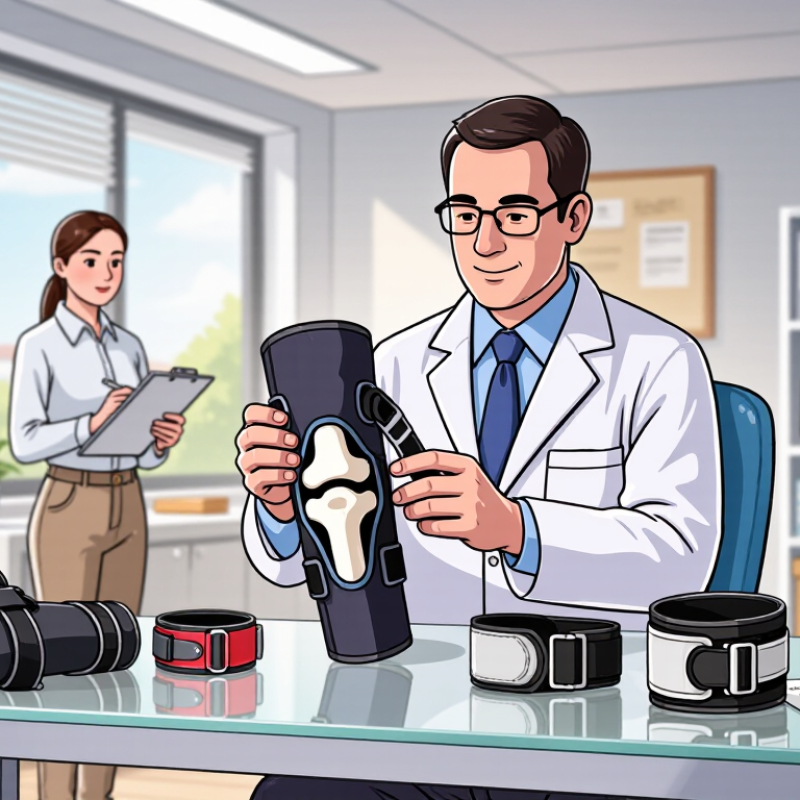
Before comparing orthopedic bracing suppliers, define who will wear the brace and what it must do. A knee brace for post-operative support has different requirements from one used during daily activity. Record the intended joint, diagnosis or care goal, expected wear time, and level of support specified by the treating clinician. Small details matter. Note whether the user needs help fastening straps, wears the brace over clothing, or has sensitive skin.
Fit and function should guide the specification. Measure the relevant limb using the fitting instructions, and identify sizing ranges, adjustability, and available left- or right-side configurations. Consider materials, weight, ventilation, and how the brace may affect movement during work or rehabilitation. Fit is not static. Swelling, changing activity, or clothing can alter comfort, so ask how adjustments and replacement parts are handled. We sometimes focus too much on features and too little on the person who must use the brace every day.
Clarify clinical and practical requirements with qualified healthcare professionals before requesting product options. Ask suppliers for technical specifications, fitting guidance, cleaning instructions, and evidence supporting any performance claims. Confirm that the proposed brace matches the prescribed use, rather than assuming a broad product description is enough. A written checklist makes comparisons clearer and helps reveal gaps, even if the first draft needs revision.
| Assessment Area | Define Your Requirement | Examples of Relevant Bracing Needs | What to Verify with a Supplier | Useful Evaluation Evidence |
|---|---|---|---|---|
| Patient population | Identify who will use the braces, including age range, mobility, skin sensitivity, and ability to apply or adjust the device. | Adult or pediatric sizing; options for limited dexterity; designs suitable for repeated daily use. | Available size range, adjustment methods, wear instructions, and whether fitting guidance is provided. | Size charts, instructions for use, fit samples, and feedback from clinical or fitting staff. |
| Anatomical site and indication | Specify the body area and the intended clinical use; selection should be guided by a qualified healthcare professional. | Knee support for stabilization; ankle support for functional support; wrist support for positioning; spinal orthosis for trunk support. | Product design, intended use, stated limitations, and alignment between the device and the clinical requirement. | Product specifications, labeling, and documentation describing intended use and precautions. |
| Required support and motion control | Describe the desired level of support, permitted movement, and any need for adjustable positioning. | Compression or flexible support; rigid or semi-rigid support; adjustable range-of-motion components where clinically appropriate. | Construction, adjustment range, locking or hinge features, and consistency of product specifications. | Technical data sheets, product demonstrations, and evaluation samples. |
| Fit and sizing process | Establish how measurements will be taken and how fit will be checked across the intended user group. | Circumference-based sizing; left- and right-sided options; adjustable designs for variable limb dimensions. | Measurement instructions, size transitions, fit support, and procedures for addressing fit concerns. | Measurement guides, fitting protocols, sample-size range, and return or replacement terms. |
| Materials and wearability | Consider comfort, breathability, durability, cleaning, and any known material sensitivities. | Moisture-managing textiles; padded contact areas; skin-contact materials with care instructions. | Material composition, cleaning guidance, wear limitations, and availability of product information on material sensitivities. | Material specifications, care instructions, and product labeling. |
| Care and reuse | Determine whether devices are intended for individual use, repeated wear, or a defined cleaning routine. | Reusable braces with stated washing instructions; replaceable components where offered. | Cleaning methods, drying requirements, component replacement options, and any stated service-life guidance. | Care documentation, replacement-part information, and written product guidance. |
| Regulatory and quality documentation | Set documentation requirements based on the product type, destination market, and applicable purchasing policies. | Product identification and traceability; applicable conformity or quality-system documentation. | Document validity, product-to-document matching, manufacturing controls, and procedures for handling complaints or recalls. | Current certificates or declarations where applicable, quality documentation, and traceability records. |
| Supply and service capability | Estimate initial and ongoing quantities, delivery needs, and support required by your care or procurement team. | Routine replenishment; multiple sizes; sample evaluation; staff fitting education. | Lead times, stock availability, minimum order quantities, order accuracy, and responsiveness to product questions. | Written supply terms, sample-order process, service contacts, and delivery performance data. |
| Selection and evaluation plan | Agree on how candidate products will be assessed before routine adoption. | Fit review, comfort feedback, ease of application, and suitability for the intended workflow. | Availability of evaluation units, product training, and a process for collecting and responding to feedback. | Documented evaluation criteria, staff feedback, and records of fitting or usability issues. |
Use this checklist to structure supplier discussions. Product selection, fitting, and use should follow the advice of qualified healthcare professionals and the applicable product instructions.