Buying Artificial Limbs is not simply a matter of choosing the newest model. It is a personal healthcare decision involving comfort, mobility, skin health, rehabilitation, and long-term support. A polished advertisement cannot reveal how a socket feels after eight hours of walking. Real experience matters.
Engineer and prosthetics innovator Hugh Herr has said, “The human body is a machine, and machines can be engineered.” His words reflect an important truth: a prosthesis should be designed around the user, not forced onto the user. A qualified prosthetist should assess residual-limb condition, muscle strength, lifestyle, work demands, and future goals. Ask how the device performs on stairs, wet floors, uneven paths, and during ordinary household tasks. Small details matter.
Comfort comes first.
This guide, “10 Tips for Buying Artificial Limbs,” examines fit, materials, control systems, maintenance, warranties, training, and total ownership costs. It also encourages careful questions about clinic experience and follow-up care. A higher price does not guarantee a better outcome. The most advanced component may still disappoint when alignment is poor or adjustments are unavailable. I have seen people focus on appearance and underestimate daily cleaning, liner replacement, or rehabilitation time. That mistake is understandable, but it deserves reflection.
No single prosthetic solution suits everyone. Personal trials, professional measurements, and honest conversations should guide the decision. Readers should confirm medical recommendations with a licensed prosthetist or rehabilitation specialist. The goal is practical independence, safer movement, and confidence that lasts beyond the showroom.
10 Tips for Buying Artificial Limbs?
Understanding Your Limb Replacement Needs
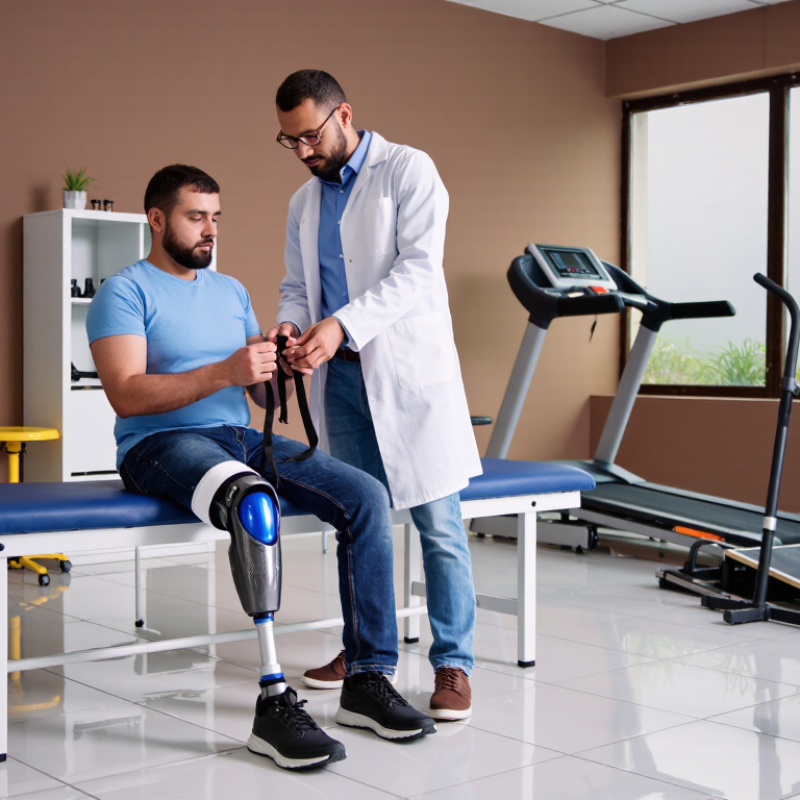
An artificial limb should match your body, routine, and recovery goals. Start by describing your daily movements to a qualified prosthetist. Mention stairs, cycling, standing, work surfaces, and the shoes you usually wear. A fitting that feels comfortable for ten minutes may cause pressure after an hour. Skin color changes, warmth, or persistent pain deserve professional attention.
Tip 1: Define your real priorities. Do you need stability, speed, appearance, or easier walking? You may want everything, but trade-offs are common. Tip 2: Ask about socket design and suspension. These features affect comfort, control, and skin health. Tip 3: Bring questions to your rehabilitation team. A physician, prosthetist, and occupational therapist may notice different concerns.
Consider your home environment and physical strength. A lightweight design may help some users, while others need additional support. Ask about cleaning, replacement parts, service schedules, and adjustment visits. Keep written notes after each fitting. They can reveal patterns that memory misses. Do not judge a limb during one appointment only. Your gait, confidence, and tolerance can change over several weeks. Budget carefully, including liners, maintenance, transportation, and possible modifications. Emotional adjustment also matters. Feeling frustrated does not mean the device has failed. You may need to revise your expectations as your abilities become clearer.
| No. | Buying Tip | What to Assess | Practical Action | Why It Matters |
|---|---|---|---|---|
| 1 | Define Your Main Activities | Daily walking, work requirements, recreation, stair use, uneven ground, swimming, or occasional use. | Write a typical weekly activity list and identify the environments where the limb will be used most often. | The intended activity level influences the component design, durability, alignment, and control system. |
| 2 | Obtain a Clinical Evaluation | Residual-limb length and shape, skin condition, muscle strength, joint range of motion, balance, and overall health. | Arrange an assessment with a qualified prosthetist and share relevant medical history, including pain or skin problems. | A prosthesis must match the user’s anatomy, healing status, functional goals, and ability to control it safely. |
| 3 | Choose the Correct Prosthetic Category | Upper-limb or lower-limb replacement, level of amputation, and whether one or multiple devices are needed. | Confirm whether the device is intended for walking, hand function, appearance, sport, water exposure, or a combination of goals. | Different limb levels and purposes require different sockets, joints, suspension systems, and control methods. |
| 4 | Prioritize Socket Comfort and Fit | Pressure distribution, suspension, volume changes, alignment, heat, sweating, and contact with sensitive areas. | Ask how adjustments will be made during the fitting process and report redness, pain, numbness, or skin breakdown promptly. | A poorly fitting socket can reduce comfort, limit use, and contribute to skin injury or instability. |
| 5 | Compare Suspension Options | The way the prosthesis stays attached, such as suction, vacuum-assisted suspension, locking liners, straps, or harnesses. | Discuss donning and doffing ability, limb-volume changes, perspiration, security, and ease of maintenance. | Suspension affects comfort, movement control, confidence, and how practical the device is for everyday use. |
| 6 | Evaluate Control and Function | For lower limbs: stability, shock absorption, energy return, and terrain response. For upper limbs: body-powered or externally powered control and grip options. | Request a supervised trial or demonstration when possible and assess whether the controls can be operated reliably. | A technically advanced component is useful only when the user can control it safely and consistently. |
| 7 | Check Weight and Energy Demands | Overall device weight, balance, battery requirements, charging needs, and the effort required for repeated use. | Compare the device’s weight with your strength, endurance, travel habits, and ability to recharge or replace batteries. | Excessive weight or energy demand may cause fatigue and reduce daily wearing time. |
| 8 | Review Durability and Care | Exposure to water, dust, sweat, impact, temperature changes, and the expected maintenance schedule. | Request written cleaning, storage, inspection, and service instructions, including any water-resistance limitations. | Correct care helps preserve component performance and can reduce avoidable repairs or premature replacement. |
| 9 | Calculate the Total Cost of Ownership | Evaluation, fabrication, fitting visits, liners, socks, batteries, repairs, replacement parts, and future socket changes. | Ask for an itemized quotation and confirm insurance eligibility, authorization requirements, deductibles, and out-of-pocket expenses. | The initial purchase price does not represent all expenses over the useful life of a prosthesis. |
| 10 | Confirm Training and Follow-Up Support | Gait or task training, physical or occupational therapy, adjustment availability, repair response, and long-term clinical support. | Before purchase, clarify who provides training, how follow-up visits are scheduled, and what happens if the device needs modification. | Successful limb replacement depends on rehabilitation, progressive practice, and timely adjustments—not only on the hardware. |
Note: Prosthetic selection should be individualized by a qualified prosthetist and rehabilitation team. Medical, functional, and coverage requirements vary by person and location.